How to Get Rid of a Side Stitch While Running
Experiencing a side stitch, a sharp pain under the ribs during running, can derail a workout. With the right approach, runners can reduce the frequency and intensity of stitches and maintain a steadier pace. This guide covers practical, evidence-informed steps and tools commonly used by runners to ease side stitches and improve overall breathing and performance.
By addressing breathing mechanics, warm-up routines, and muscle tension around the ribcage, most runners can minimize stitch occurrences. The goal is to build a smoother, more efficient breathing pattern and release tension in the intercostal and abdominal areas that often contribute to the problem.
Quick Answer
Coordinate breathing with footstrike, slow the pace at the first sign of a stitch, and perform targeted mobility and relaxation exercises. Use a gentle exhale during the forward part of the stride, pause briefly if needed, and resume once the pain subsides. Regular prep work with light mobility routines reduces stitch risk over time.
What You’ll Need
The following tools can support relief and prevention, especially if you notice recurring tension around the ribs and diaphragm:
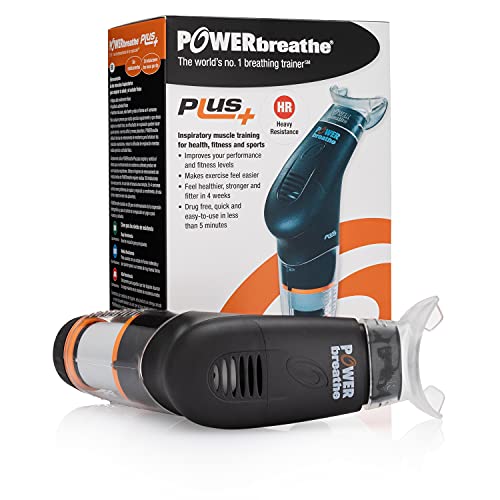
- In inspiratory muscle trainer running
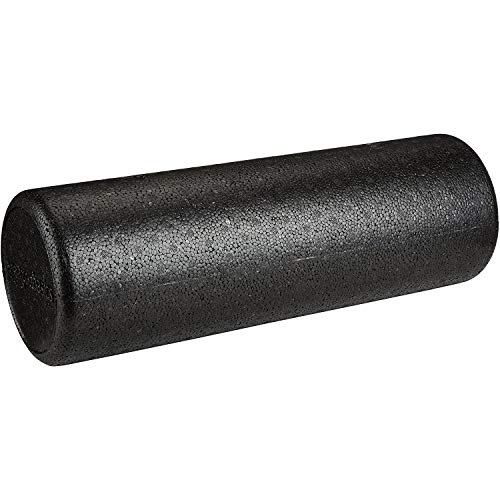
- Foam roller intercostal muscle relief
- Massage stick for runners trigger point relief

Before You Start
Before attempting new techniques, ensure you are well-hydrated and have a comfortable, unconstrained range of motion. Choose a calm, flat route for practice and start with a light warm-up. Avoid forcing deep breaths during a stitch; instead, ease into breathing and slow your pace. If you have a history of breathing disorders or cardiovascular concerns, consult a healthcare professional before making significant changes to your running routine.
Time estimates: 5–10 minutes for a focused warm-up, 5–15 minutes for mobility work, and ongoing attention during runs to refine breathing. If pain lasts beyond a few minutes or worsens, stop running and seek medical advice.
Step-By-Step: How To Manage A Side Stitch While Running
- Detect the onset of a stitch and pause your breathing to avoid frantic inhaling. Take a slow, controlled breath in through the nose for 2–3 seconds, then exhale slowly through pursed lips for 4–6 seconds.
- Slow your pace gradually, especially if the stitch intensifies during high-intensity segments. A lighter cadence often helps restore comfort without stopping.
- Shorten your stride slightly and keep the elbow angles soft to reduce lateral rib cage compression, which can contribute to intercostal tension.
- Engage diaphragmatic breathing during the exhale, allowing the abdomen to rise gently as you breathe out. This can stabilize the diaphragm and reduce strain on the ribcage.
- Incorporate a brief breathing drill mid-run: inhale through the nose for two steps, exhale through the mouth for two steps, repeating for 60 seconds, if the stitch subsides.
- Perform a quick rib-mreath mobility routine during a light jog or walking interval, using a massage stick to roll along the intercostal muscles and the upper back to release tension.
- Use an inspiratory muscle trainer during rest or easy runs to strengthen the muscles involved in breathing and support steadier rhythm during effort.
- Hydration and timing matter: avoid tight meals within 2–3 hours of running and sip water or electrolyte drinks steadily to prevent dehydration-related cramps that can mimic stitches.
- Build a gradual progression plan that slowly increases distance and intensity, allowing the breathing system and core to adapt without abrupt triggers for stitches.
- Close out the run with gentle core and rib-cage stretches to maintain flexibility and reduce residual tension after a workout.
- If a stitch recurs persistently in a specific spot, consider a short walk break and apply a light pressure with the massage stick on the area to release local muscle knots.
- After every run, perform a quick round of mobility work for the chest, sides, and back to prevent stiffness that could predispose to future stitches.
Troubleshooting
| Symptom | Likely Cause | Fix | Prevention |
|---|---|---|---|
| Sharp stitch in right or left side | Diaphragm fatigue or intercostal tension | Pause, then practice diaphragmatic breathing and rib releases with a foam roller | Regular mobility and breathing drills |
| Pain worsens with deep breaths | Overexertion or tight chest wall | Reduce pace, use controlled exhale, and perform gentle chest stretches | Gradual training progressions |
| Pain reappears consistently at the same distance | Breathing pattern or cadence mismatch | Experiment with breathing pattern and cadence adjustments | Consistent pre-run breathing warm-ups |
| Muscle knots near ribs | Intercostal muscle tension | Use massage stick and foam roller on chest and sides | Post-run recovery routine |
Common Mistakes
- Holding the breath during the stitch instead of maintaining a controlled exhale
- Rushing through a difficult stretch instead of easing into breathing patterns
- Ignoring pre-run mobility and warm-up, leading to stiff ribcage muscles
- Ignoring the signs of dehydration or poor hydration timing
Tips For Best Results
- Practice diaphragmatic breathing daily, not only during runs, to build breathing efficiency over time
- Incorporate short speed work with controlled breathing to train the body for varied intensities
- Use the massage stick for quick relief after long runs to loosen trigger points in the rib cage
- Warm up with a light jog and shoulder/torso mobility to prepare the intercostal muscles
- Try an inspiratory muscle trainer to strengthen the muscles involved in inhalation and support better rhythm
Call A Professional
Seek professional help if a stitch is accompanied by chest pain, dizziness, fainting, or if it occurs during rest or non-running activities. A coach or physical therapist can assess breathing mechanics, posture, and core stability, and tailor a plan to your running style and goals.
FAQ
What causes a side stitch?
A side stitch typically results from diaphragmatic fatigue, rib-cage tension, or suboptimal breathing patterns during running.
Can breathing exercises prevent stitches?
Yes, diaphragmatic breathing and paced exhalation can reduce stitch frequency and intensity over time.
Is an inspiratory muscle trainer helpful for runners?
For some athletes, an inspiratory muscle trainer can strengthen breathing muscles and improve rhythm during runs.
How should I adjust my run if a stitch starts?
Slow the pace, pause breathing, and use a controlled exhale; resume once the pain subsides.
Buying Guide
Key buying factors for gear related to side-stitch relief include size, portability, and ease of use during or after runs. Consider how an inspiratory muscle trainer fits into warm-up routines and whether you prefer a compact device for easy transport. A foam roller with a firm density works well for intercostal release, while a massage stick should have a comfortable grip and a range of textures to target trigger points effectively. Look for tools with durable materials and straightforward instructions so that busy runners can integrate them into a quick post-run cooldown. If you train with a group or coach, choose tools that can be demonstrated and shared easily.
How do you compare options for side stitch relief? Think about the primary goal—enhanced breathing efficiency, targeted muscle release, or both—and how each tool aligns with your current routine. For beginners, a simple combination of diaphragmatic breathing practice and light mobility work may be enough to reduce stitch frequency. More advanced athletes can incorporate the inspiratory trainer and percussion tools into regular recovery to build resilience against stitches during longer or faster runs.
Leave a Reply