How to Clean Electric Razor Head for Peak Performance
Maintaining a clean electric razor head extends blade life, improves hygiene, and ensures a close, comfortable shave. This guide covers practical, American-friendly steps using common tools and safe cleaning practices for most household electric shavers.
Quick Answer
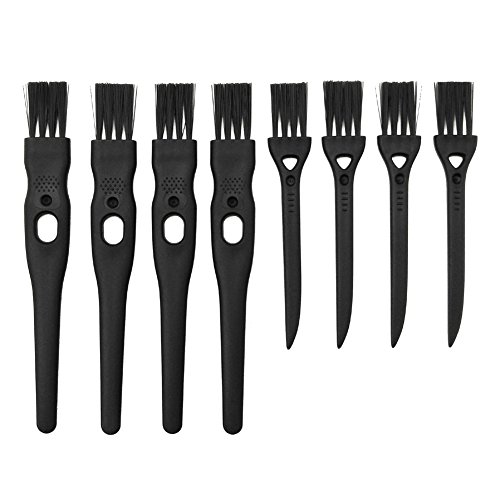
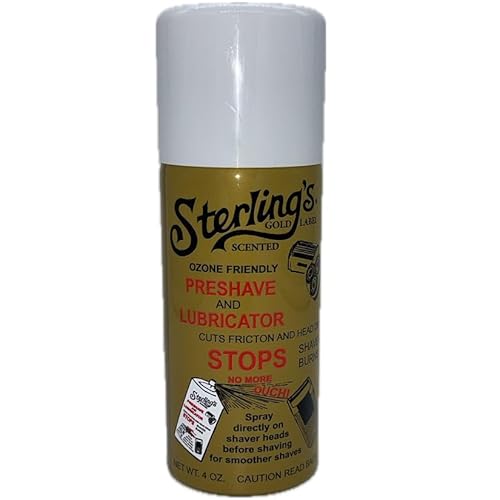
Remove the head, rinse under running water if allowed by your model, use a electric shaver cleaning brush nylon bristle to loosen hair, consider an ultrasonic cleaner for electric razor head for deep cleaning, and finish with a shaver head cleaning kit alcohol wipe spray to sanitize surfaces. Dry completely before reassembling.
What You’ll Need
- Electric shaver cleaning brush nylon bristle
- Ultrasonic cleaner for electric razor head
- Shaver head cleaning kit alcohol wipe spray

Before You Start
Read the user manual for your specific model to confirm cleaning guidelines. Most modern razors allow rinsing under warm water, but some models require dry brushing only. Avoid soaking non-waterproof heads unless explicitly approved by the manufacturer. Have a towel ready to catch drips and a clean surface to work on. Time estimate: 5–15 minutes for routine cleaning, longer for deep cleaning.
Step-By-Step: How To Clean Electric Razor Head
- Power off and unplug the unit if it’s cordless charging on a dock. Remove the head assembly according to the manual.
- Tap the head gently to dislodge loose hairs, then use the nylon bristle cleaning brush to brush away clippings around the blades and guard.
- If your razor is water‑safe, rinse the head under lukewarm running water. If not, skip water and proceed with dry methods only.
- For deeper cleaning, place the head in an ultrasonic cleaner for electric razor head with a small amount of warm water or specialized cleaning solution per the device’s instructions.
- After ultrasonic cleaning, shake off excess liquid and pat dry with a clean towel. Allow the head to air dry completely before reassembling.
- Wipe contact surfaces and the exterior with a shaver head cleaning kit alcohol wipe spray to sanitize and remove oils.
- Inspect the blades for wear or damage. If the blades appear dull or nicked, replace them according to the manufacturer’s guidance.
- Reassemble the head, ensuring it locks securely. Run the razor for a short test to confirm smooth operation without pulling hair.
- Store in a dry, ventilated area to prevent moisture buildup, which can promote bacteria growth.
- Set a regular cleaning cadence based on usage and skin sensitivity; some users clean weekly, others after every few shaves.
- Note any unusual noises or tugging; if present, stop and reassess cleaning steps or upgrading the head components.
Troubleshooting
| Symptom | Likely Cause | Fix | Prevention |
|---|---|---|---|
| Head not attaching securely | Debris in attachment grooves | Clean grooves with brush; reinsert firmly | Clean after each use |
| Razor pulls or cuts skin | Dull blades or clogged guards | Clean thoroughly; replace blades if needed | Use correct blade replacements |
| Weird squeaking during use | Lubrication dried out | Lightly lubricate per manual or replace head | Regular cleaning prevents buildup |
| Water leakage from head | Improper reassembly | Recheck seals and locks | Follow assembly steps precisely |
Common Mistakes
- Using harsh chemicals or household solvents on plastic guards.
- Submerging non‑waterproof heads in water or ultrasonic baths without manufacturer approval.
- Forgetting to dry the head completely, which invites corrosion or mold.
- Skipping blade replacement when wear is evident, compromising performance.
Tips For Best Results
- Adopt a routine: clean after every few shaves or weekly, depending on hair type and skin sensitivity.
- Keep a small, dedicated cleaning station with your electric shaver cleaning brush nylon bristle and wipes for quick maintenance.
- Use distilled water in ultrasonic baths if your device recommends it to minimize mineral deposits.
- Do not over‑tighten the head during reassembly to avoid damaging the locking mechanism.
- Document wear signs (blade gaps, visible nicks) to time blade replacements accurately.
Call A Professional
Seek professional help if the razor head shows persistent mechanical issues, persistent leakage, or if the device fails to power on after cleaning. Stop using the device if there is any crack in the housing or unusual heat generation, which could indicate electrical or safety concerns. When in doubt, contact the manufacturer’s support line or a qualified electronics technician.
FAQ
Can I use an ultrasonic cleaner for all razor heads?
Ultrasonic cleaners work with many heads, but always check the manual to ensure compatibility and avoid damage.
Is alcohol spray safe on all razor components?
Alcohol wipes are generally safe for surfaces and guards, but avoid applying alcohol directly to sensitive electronics or lubricants unless specified.
How often should I replace razor blades?
Replacement depends on model and usage; inspect for dullness or damage and follow manufacturer recommendations.
What’s the best way to dry the head after cleaning?
Pat dry with a lint‑free cloth and allow to air dry completely before reassembly.
Should I rinse with hot water?
Use lukewarm water unless the manual specifies otherwise; hot water can warp or damage some plastics.
Can I clean while the razor is on a charger?
Avoid cleaning an active device; unplug and remove from any charging base before maintenance.
Buying Guide
Choosing the right cleaning approach depends on head design, budget, and maintenance preferences. Key buying factors include size and compatibility with your model, noise level during cleaning, energy efficiency of any powered cleaners, control options, and placement in the bathroom or vanity area. Consider whether a simple brush system meets your needs or if an advanced approach, like an ultrasonic cleaner for electric razor head, offers deeper cleaning. Look for kits that include alcohol wipe sprays to keep surfaces sanitized after cleaning. Evaluate whether a dedicated storage stand helps keep the head dry between cleanings.
Size matters for storage and compatibility with your razor family. Noise levels can impact a shared bathroom environment; quieter devices are often preferred for early-morning routines. Energy efficiency is typically a non-issue for small home devices, but consider the power draw of any powered cleaner. Controls should be intuitive, with clear indicators for cleaning cycles or timers. Placement should be a dry, ventilated area away from direct splashes. Finally, confirm that replacement blades and guards are readily available for future maintenance.
Leave a Reply