How to Clean a Fountain: A Simple, Effective Guide
Fountains add ambiance to homes, gardens, and patios, but they require regular cleaning to keep water clear and pumps running smoothly. This guide covers practical steps, recommended tools, and precautions to help American households maintain outdoor and indoor fountains with confidence.
With the right routine, cleaning a fountain becomes a quick, predictable task rather than a dreaded chore. The following sections break down the process, from preparing your space to choosing the right maintenance products and avoiding common issues.
Quick Answer
Best starting practice: turn off power, drain the fountain, remove debris, scrub surfaces, and rinse before restarting the pump. For mineral buildup, apply a descaler designed for fountain pumps and rinse thoroughly. Regular maintenance reduces clogs and extends pump life.
What You’ll Need
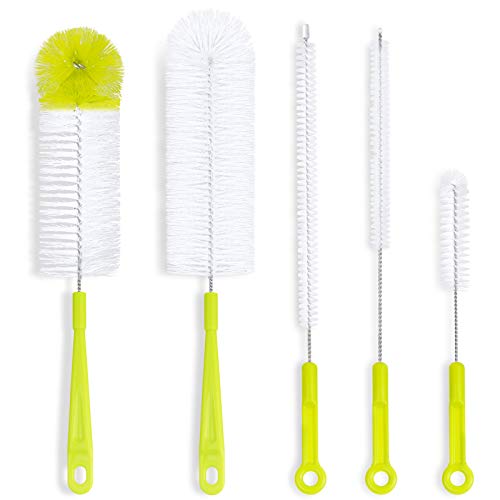
- Fountain cleaning brush set with long handle
- Pump maintenance kit for outdoor water fountain
- Fountain descaler scale remover for pumps
- Soft-bristle brushes and non-abrasive scrubbers
- Non-toxic fountain-safe cleaner or mild soap
- Gloves and protective eyewear
- Microfiber cloths and towels
- Bucket or large container for mixed water


Before You Start
Before any cleaning, unplug outdoor models or switch off the GFCI outlet for safety. Drain the fountain fully to access all surfaces and the pump. Protect nearby plants and surfaces from cleaning solutions. Caution: do not mix chlorine bleach with ammonia-based cleaners—this can release dangerous gases. Plan for a 30–60 minute session for smaller fountains, longer for ornamentals with intricate features.
Step-By-Step: How To Clean A Fountain
- Disconnect power and drain the basin completely to expose the pump, hoses, and crevices.
- Remove skimming nets, leaves, and visible debris from the water and surface features.
- Disassemble accessible parts of the pump housing and intake if the model allows; consult the manual for safe disassembly.
- Use the fountain cleaning brush set with long handle to scrub sills, tiers, and stone or resin surfaces with a gentle, circular motion.
- If mineral buildup is present, apply fountain descaler scale remover for pumps per label directions, then let it sit briefly before scrubbing again.
- Rinse all components with clean water, ensuring no cleaning residue remains in the pump intake or tubing.
- Reassemble the pump and basin, refill with treated water if needed, and recheck fittings for leaks.
- Turn power back on and observe the pump operation; add water if the level drops during initial restart.
- Place a fresh skimming pad or magnetic cleaner in the reservoir to capture floating debris during operation.
- Schedule routine maintenance every 2–4 weeks in warm months and every 6–8 weeks in cooler seasons.
- Document any recurring issues, such as persistent clogging or unusual noises, for proactive care.
- Store brushes and cleaners in a dry, ventilated area after use to preserve tool life.
Troubleshooting
| Symptom | Likely Cause | Fix | Prevention |
|---|---|---|---|
| Pump stalls or runs dry | Low water level or blocked intake | Replenish water; clear debris from intake | Regularly check water level |
| Water does not circulate evenly | Airtight seals or partial blockages | Inspect seals; flush tubing | Rinse and test after cleaning |
| Cloudy water with algae | Sun exposure and nutrient buildup | Clean surfaces; add fountain-safe algaecide if recommended | Shade placement and routine cleaning |
| Mineral scale on surfaces | Hard water deposits | Apply descaler; scrub gently; rinse | Use filtered water when possible |
| Unpleasant odor | Stagnant water or decaying debris | Thorough cleaning; remove debris | Drain and refresh water regularly |
Common Mistakes
- Using abrasive brushes on delicate surfaces, which can scratch finishes
- Overlooking hidden crevices where algae grows, leading to recurrent issues
- Skipping a full drain and relying on partial cleaning, which leaves residues
- Mixing incompatible cleaners that can damage seals or pump components
- Ignoring manufacturer guidelines for pump disassembly or descalers
Tips For Best Results
- Schedule routine cleanings in a calendar reminder to maintain water clarity.
- Use a fountain descaler scale remover specifically designed for pumps to prevent scale buildup.
- Opt for a fountain cleaning brush set with a long handle to reach behind statues and in tight corners.
- Consider a dedicated pump maintenance kit to simplify parts inspection and resealing.
- Choose a descaler that is safe for your fountain material, whether stone, ceramic, or resin.
- Test cleaning solutions on a small, inconspicuous area first to avoid discoloration.
Call A Professional
Consult a professional if the fountain exhibits persistent leaks, cracks in the basin, electrical concerns, or suspected pump failure that requires wiring work or seal replacements. Stop use immediately if you notice unusual electrical odors, sparking, or overheating components.
FAQ
Can I clean a fountain with household vinegar?
Vinegar can be used sparingly for mineral buildup on certain materials, but it is not compatible with all fountain finishes. Check the manufacturer’s recommendations before use.
How often should I clean an outdoor fountain?
Typically every 2–4 weeks in warm months and every 6–8 weeks in cooler months, plus more frequent cleaning during peak algae or leaf fall periods.
What type of water is best for fountains?
Using filtered or softened water helps reduce mineral deposits and algae growth, especially in hard-water areas.
Is it safe to use descalers around plants?
Choose descalers labeled as safe for outdoor use and rinse thoroughly to prevent chemical exposure to nearby plants.
Should I drain a fountain completely during cleaning?
Yes, fully draining helps access all surfaces and prevents cleaners from entering the pump or tubing.
Do I need a professional to replace a fountain pump?
Many pumps are serviceable at home, but complex installations or wiring concerns may require a licensed technician.
Buying Guide
When selecting fountain maintenance products, consider size, compatibility, and ease of use. A fountain cleaning brush set with long handle aids in reaching tight corners, while a pump maintenance kit for outdoor water fountain simplifies routine inspections. A fountain descaler scale remover for pumps helps prevent mineral buildup that slows or stops flow. Evaluate the fountain’s size to choose brushes with appropriate reach and tool handles for comfortable operation. For outdoor installations, select weather-resistant tools and cleaners designed for concrete, stone, or resin finishes.
Other buying factors include noise level, energy efficiency, and control options for the fountain pump. If your unit uses a variable-speed pump, check compatibility with descalers and cleaners. Placement matters too: position fountains away from trees to limit debris and sunlight exposure that accelerates algae growth. Finally, consider a kit that bundles the essential tools to streamline maintenance tasks and reduce the need for multiple purchases over time.
Leave a Reply