How to Clean Cigarette Smoke From Walls and Ceilings
Cewing cigarette smoke from walls and ceilings is a common challenge for many American homes, especially in older buildings or rooms with poor ventilation. This guide provides practical, kitchen-to-basement tested steps to reduce odors, remove stains, and restore a fresher indoor environment without resorting to harsh chemicals.
By following a systematic process that targets both the visible stains and the hidden odor molecules, homeowners can make a noticeable difference. The approach combines proper surface preparation, effective cleaning tools, and safe handling practices to protect ceilings, walls, and occupants alike.
Quick Answer
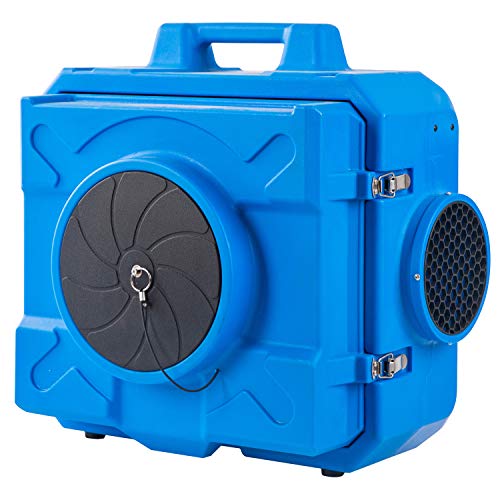
Start with ventilation, then use a combination of scrubbing and odor-neutralizing methods. For best results, employ a dedicated HEPA air scrubber to capture smoke particles, paired with a wall and ceiling scrub brush set and odor removal microfiber cloths sponge kit. Capture residues, then seal and repaint if stains persist.
What You’ll Need
- HEPA air scrubber for smoke removal walls ceilings
- Wall and ceiling scrub brush set for smoke stains
- Odor removal microfiber cloths sponge kit for smoke damaged walls
- Non-ammonia cleaning solution or a mild detergent
- Spray bottle, clean sponges, and microfiber towels
- Latex or nitrile gloves, safety goggles, and a dust mask
- Drop cloths or plastic sheeting to protect floors and furniture

Before You Start
Before beginning, ensure good ventilation by opening windows and doors and running the HEPA air scrubber during cleaning. Test cleaning products on a small, inconspicuous area to avoid damage. Work in sections to prevent recontamination of cleaned areas. Time estimate: 2–6 hours depending on room size and stain severity. Careful handling is essential to avoid spreading oils and soot to uncleaned surfaces.
Step-By-Step: How To Clean Cigarette Smoke From Walls And Ceilings
- Prepare the room: Remove belongings, lay down drop cloths, and set the HEPA air scrubber to capture airborne particles.
- Dust first: Lightly dust walls and ceilings with a dry microfiber cloth to remove loose soot and dirt.
- Spot test: Apply a small amount of cleaning solution to a hidden area to confirm no paint damage or discoloration.
- Wash walls: Mix a mild detergent with water. Use a soft sponge or cloth to wash in gentle, circular motions, starting from the top and moving downward.
- Target stains: For stubborn stains, use a slightly stronger solution or a dedicated cleaner designed for smoke damage. Avoid aggressive scrubbing that could remove paint.
- Ceiling care: Clean in sections to minimize drips. Use a ladder with a helper to maintain balance and safety.
- Rinse and dry: Wipe surfaces with a clean, damp cloth to remove residue, then dry with a fresh microfiber towel.
- Odor control: After cleaning, use odor-absorbing methods such as placing bowls of activated charcoal or using odor removal microfiber cloths sponge kit for smoke damaged walls in the area, and run the air scrubber to capture lingering particles.
- Evaluate: Check for remaining stains or odors. If needed, repeat cleaning steps or consider repainting.
- Finish with protection: If repainting, choose a stain-blocking primer to seal in remaining odors before applying paint.
- Ventilate: Keep windows open and the HEPA device running for several hours after cleaning to clear residual odors.
Troubleshooting
| Symptom | Likely Cause | Fix | Prevention |
|---|---|---|---|
| Smell persists after cleaning | Porous surfaces absorbed odor | Seal with odor-blocking primer before painting | Improve ventilation during and after cleaning |
| Discoloration remains on walls | Soot deeply embedded in paint/primer | Repaint with stain-blocking primer | Address odor sources and sealants early |
| Streaks from cleaning solution | Excess moisture or improper rinse | Rinse with clean water and dry promptly | Use minimal moisture and test products first |
| Residual dust after air scrubber run | Re-entrainment from ventilation | Increase filtration efficiency and run time | Keep doors closed to isolate treated areas |
Common Mistakes
- Using overly harsh solvents that can damage paint or wallpaper
- Skipping a test patch on delicate surfaces
- Rushing cleaning without adequate ventilation and ventilation checks
- Neglecting to protect floors and furnishings against drips and splashes
Taking a careful, measured approach minimizes surface damage and improves odor removal outcomes.
Tips For Best Results
- Work from top to bottom to prevent dirty streaks cascading onto cleaned areas.
- Use a dedicated brush set to keep smoke stains from spreading across walls and ceilings.
- Pair cleaning with odor-absorbing materials and a running HEPA unit for best air quality improvements.
- Consider repainting after successful odor removal to lock in improvements.
Call A Professional
Reach out to a professional if smoke exposure is extensive, if there is soot in HVAC ducts, or if you notice persistent odors despite cleaning. Stop work and consult a pro when: persistent odor remains after multiple cleaning cycles, water damage due to cleaning risks, or structural damage is suspected. Advanced remediation may involve specialized equipment and coatings.
FAQ
Can I use household cleaners to remove smoke on walls?
Yes, start with a mild detergent solution and test on an inconspicuous area. Avoid harsh solvents that can damage paint or wallpaper.
Is a HEPA air scrubber essential for smoke removal?
Using a HEPA air scrubber helps capture smoke particles during cleaning, improving air quality and reducing lingering odors.
How long should cleaning take in a typical room?
Most rooms take 2–6 hours depending on size, stain severity, and ventilation effectiveness.
When should I repaint after cleaning?
Repaint after odors are eliminated and stains are fully removed or sealed with a stain-blocking primer.
Are odor removal cloths safe for walls?
Yes, when used according to instructions and tested on a small area first, odor removal microfiber cloths are effective for smoke odors on smooth surfaces.
Buying Guide
When choosing tools and supplies to clean cigarette smoke from walls and ceilings, consider these factors:
- Size and layout: Larger rooms may benefit from stronger air scrubbers and higher-capacity cleaners.
- Noise level: Check decibel ratings for devices used in living spaces or bedrooms.
- Energy efficiency: Look for energy-efficient models that run longer without high electricity costs.
- Controls and usability: Simple, accessible controls help reduce setup time and mistakes.
- Placement: Ensure the HEPA unit can be positioned to optimize airflow and coverage while keeping it away from children and pets.
- Surface compatibility: Select cleaners and cloths suitable for painted walls, plaster, and wallpapers.
- Maintenance: Consider ease of cleaning cloths and replacing filters or scrub brushes.
- Integrated odor control: Effective products for absorbing odors can complement cleaning results.
With the right combination of tools and a careful workflow, homeowners can significantly improve air quality and restore the look and feel of walls and ceilings after cigarette smoke exposure. If in doubt, starting with the recommended gear and following a methodical process will typically yield strong results.
Leave a Reply