How to Clean Behind Radiators
Cleaning behind radiators helps improve heating efficiency and air quality in American homes. This guide walks through safe, practical steps to reach tight spaces, remove dust, and maintain a tidy heating system without professional help.
Quick Answer
Use a combination of an extendable tool with an angled head and a slim crevice vacuum attachment to reach tight gaps, followed by a microfiber duster on an extendable handle. Move the radiator slightly if possible to access the back area, and finish with a soft brush attachment to sweep loose debris into a receptacle.
What You’ll Need
The following tools and materials cover most cleaning scenarios behind radiators. Using the listed items helps ensure you reach every corner without moving the radiator excessively.
- Radiator Cleaning Brush Extendable Handle Angled Head
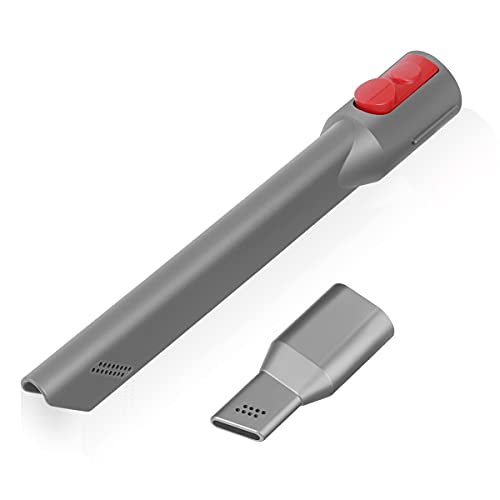
- Slim Crevice Vacuum Attachment for Behind Radiators
- Microfiber Telescoping Duster Extendable Reach for Behind Radiators
- Dusting cloths or small microfiber pads
- All-purpose cleaner or plain water for damp wiping


Before You Start
Prepare a clear workspace and protect floors with a drop cloth or old towel. Avoid using harsh chemicals near heat sources. Ensure the room is well ventilated and unplug any nearby electronics to prevent accidental sparks or moisture contact. Estimate cleanup time at 15–40 minutes depending on radiator size and access. If you notice visible damage to the radiator or refrigerant lines, stop and seek professional help.
Step-By-Step: How To Clean Behind Radiators
- Shut off the heating system or set the thermostat to a low, comfortable temperature to minimize dust circulation while you work.
- Clear a path around the radiator to access the sides and back. Move furniture if needed and lay down a protective cloth.
- Put on a dust mask if dust buildup is heavy, and assemble your extendable tools for quick swaps during the process.
- Use the Radiator Cleaning Brush Extendable Handle Angled Head to sweep dust from the top and sides, angling the head into tight corners.
- Attach the Slim Crevice Vacuum Attachment and run it along the back and between gaps, drawing dust away from hard-to-reach areas.
- Switch to the Microfiber Telescoping Duster Extendable Reach for a damp wipe across the back panel and any exposed pipes, using a gentle pressure.
- Wipe down the surrounding wall and floor area to capture loose debris that falls during the clean.
- Remove the vacuum attachment, inspect the dust collection, and empty it into a trash can to prevent re-dusting.
- Inspect for stubborn grime and repeat the targeted sweep with the angled head or duster as needed.
- Return tools to storage, plug the system back in, and resume normal operation after ensuring no moisture touches electrical components.
Troubleshooting
| Symptom | Likely Cause | Fix | Prevention |
|---|---|---|---|
| Dust reappears behind radiator | Recent activity stirred settled dust | Clean more frequently with extendable tools | Schedule quarterly cleanings |
| Dust clogs vacuum attachment | Fine dust buildup | Empty canister and check filters | Use a pre-filter or damp wipe before vacuuming |
| Water spots on wall or floor | Excess damp wipe | Wring microfiber thoroughly; use minimal moisture | Dampen only lightly and avoid puddles |
| Radiator makes noise after cleaning | Loose components or debris | Inspect mounting and reattach parts | Regular maintenance reduces buildup |
Common Mistakes
- Over-wetting the microfiber cloth or duster, which can drip moisture onto electrical components
- Using stiff brushes that scratch painted surfaces or bend delicate fins
- Forcing tools into very tight gaps, potentially bending fins or disconnecting joints
Instead, work slowly, test each angle, and wipe in small, controlled motions to avoid damage and improve dust capture.
Tips For Best Results
- Schedule routine cleanings in a dry, cool room to maintain tool efficiency and air quality.
- Maintain an extendable reach with fresh microfiber pads; replace when fibers become worn.
- Pair vacuuming with a damp microfiber wipe for optimal dust removal in crevices.
- Consider a lightweight steamer for stubborn grime if your radiator and surroundings allow safe moisture use.
- Keep a dedicated tool kit for behind-radiator cleaning to reduce setup time.
Call A Professional
Seek professional help if any of the following apply: the radiator is significantly corroded, there are visible gas or refrigerant lines near the cleaning area, loud banging during cleaning, or you notice persistent moisture leaks after cleaning. If uncertain about electrical safety or radiator integrity, contact a licensed HVAC technician or plumber.
FAQ
How often should I clean behind radiators?
Aim for a quarterly clean to minimize dust buildup and maintain efficient heat circulation.
Can I use water to clean behind radiators?
Light damp wiping is acceptable on non-electrical surfaces; avoid excessive moisture near electrical components.
What tools are essential for tight spaces?
An extendable radiator cleaning brush with an angled head, a slim crevice vacuum attachment, and a microfiber telescoping duster cover the majority of gaps.
Is it safe to move radiators during cleaning?
Only move radiators if necessary and if you know how to do so safely. Some radiators are heavy or have connected pipes; seek professional help if unsure.
Buying Guide
When choosing tools to clean behind radiators, consider size, reach, and ease of use. A compact, extendable toolkit with an angled head helps access corners without moving heavy units. Noise level matters for ongoing vacuum work, and energy use is minimized with efficient, lightweight attachments. Look for modular sets that include a slim crevice attachment and a microfiber duster with an extendable handle. Placement flexibility—standing height, wall-mounted radiators, and tight alcoves—will influence which combination works best. If your space has multiple radiators or allergy concerns, prioritize tools that maximize dust capture and minimize re-dusting.
Leave a Reply