How to Clean Cloth Shoes: A Practical Home Guide
Cloth shoes, including canvas sneakers, brighten up outfits and extend their life when kept clean. This guide outlines a straightforward approach using common tools to remove dirt, stains, and odors without damaging fabrics. By following the steps below, American readers can restore freshness with minimal effort.
Quick Answer
For most cloth shoes, use a soft-bristled brush to loosen dirt, a gentle cleaning solution, and microfiber cloths to wipe away grime. Air-dry completely away from direct heat. For stubborn stains, apply a targeted stain remover spray and re-treat with a microfiber towel. Repeat as needed for best results.
What You’ll Need
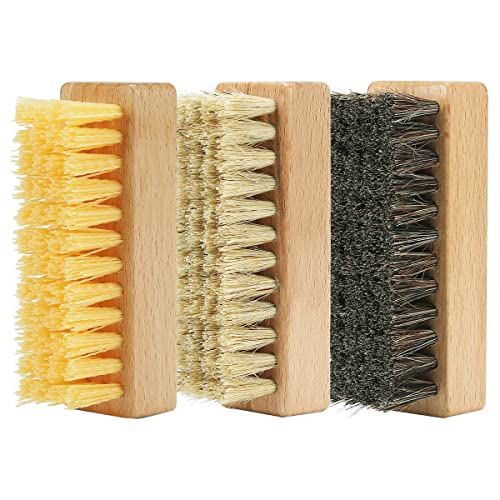
- Canvas sneaker cleaning brush set with soft bristles
- Microfiber shoe cleaning cloths 12×12 inches for sneakers
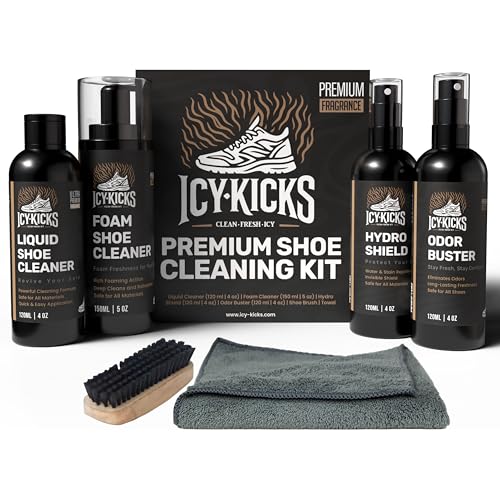
- Sneaker cleaning kit brush stain remover spray includes microfiber towels

Before You Start
Before cleaning, remove laces and insoles if possible. Brush off loose dirt outdoors to prevent indoor mess. Test any cleaning product on a small, inconspicuous area to ensure colorfastness. Use a mild cleaner to avoid material damage. Time estimate: 15–30 minutes for routine cleaning; 60 minutes for deep cleaning and stain removal. Avoid heat sources like radiators or direct sunlight, which can warp fabrics and fade colors.
Step-By-Step: How To Clean Cloth Shoes
- Detach laces and insoles; set them aside for separate cleaning.
- Dry brush the shoes with the canvas sneaker cleaning brush set to remove loose dirt and debris.
- Prepare a cleaning solution: mix mild soap with warm water or follow the cleaner’s instructions.
- Dip a microfiber shoe cleaning cloth into the solution and wring out excess liquid.
- Gently wipe the exterior surfaces in circular motions, focusing on stained areas without saturating the fabric.
- For stubborn stains, spray the sneaker cleaning kit brush stain remover spray on the spot and let it sit for a moment, then blot with a clean microfiber towel.
- Rinse the cloth frequently and continue cleaning until dirt lifts away. Avoid soaking the material.
- Pat shoes dry with a fresh microfiber cloth; stuff with paper towels to help shape and absorb moisture.
- Air-dry in a well-ventilated area away from direct sun or heat until completely dry.
- Clean laces and insoles separately, then reassemble once everything is completely dry.
- Optional: apply a light protective spray designed for fabric sneakers to help repel future stains.
Troubleshooting
| Symptom | Likely Cause | Fix | Prevention |
|---|---|---|---|
| Color fading after cleaning | Harsh cleaner or excessive soaking | Switch to a mild soap and minimize water exposure | Test on a hidden area first; use gentler solutions |
| Stains returning after drying | Residual residue or improper drying | Re-clean with fresh cloth and ensure complete drying | Fully air-dry before storage |
| Fabric fraying at edges | Over-scrubbing | Use lighter pressure and a softer brush | Clean in short, controlled passes |
| Unpleasant odor persists | Moisture retention inside shoes | Remove insoles, wash thoroughly, and ensure complete drying | Use odor-absorbing inserts or baking soda between wears |
Common Mistakes
- Using hot water or strong solvents on delicate fabrics
- Saturating the shoe material with cleaning solution
- Not removing laces and insoles before cleaning
- Skipping thorough drying, leading to mildew
Sticking to gentle methods and proper drying helps maintain color and fabric integrity over time.
Tips For Best Results
- Brush shoes dry before applying any cleaner to reduce embedded dirt.
- Work in a shaded area to prevent fast drying and water spots on light fabrics.
- Use microfiber towels for lint-free wiping and quick stain absorption.
- Repeat cleaning for heavy-soiled pairs and consider targeted spot treatment for persistent marks.
- Store shoes in a breathable container to keep fabrics fresh between wears.
Call A Professional
Seek professional help if shoes feature delicate materials beyond canvas, leather accents that may bleed, or persistent stains that resist home treatment. Stop cleaning and consult a professional if you notice discoloration spreading, material damage, or sticky residues that do not wash away.
FAQ
Can I machine wash cloth shoes?
Machine washing is discouraged for most cloth shoes as it can warp soles and damage fabrics. Hand cleaning with mild solutions is safer and more controllable.
How long should cloth shoes air-dry?
Allow 6–12 hours or more, depending on humidity and airflow. Do not use heat sources to speed drying.
What if the stains won’t come out?
Try a targeted stain remover spray and re-treat with microfiber towels. If stubborn, repeat in small increments or seek professional cleaning.
Are there products to prevent future staining?
Yes, fabric sneaker protective sprays can create a barrier against dirt and moisture when used as directed.
Should insoles be cleaned separately?
Yes. Insoles can harbor odor and residue; wash them according to their material care guidelines and ensure they’re completely dry before reassembly.
Buying Guide
When choosing tools and cleaners for cloth shoes, consider size, performance, and risk of fabric damage. For most households, a dedicated canvas sneaker cleaning brush set with soft bristles delivers effective dirt removal without harming fibers. Microfiber shoe cleaning cloths are essential for lint-free lifting and drying, and a sneaker cleaning kit that includes a stain remover spray plus microfiber towels adds targeted power for stubborn marks.
Key buying factors include:
- Size and coverage: A compact brush set reaches tight seams; larger brushes cover broad surfaces efficiently.
- Material safety: Look for soft bristles and gentle cleaners labeled safe for canvas and textiles.
- Absorbency: High-quality microfiber towels absorb moisture quickly and reduce residue.
- Ease of use: Quick-dry solutions and sprayable stain removers speed up maintenance.
- Durability: Long-lasting tools save money and reduce waste over time.
- Storage: A compact kit or case helps keep supplies organized and ready for quick cleanups.
Placement considerations: store cleaning supplies in a cool, dry place away from children and pets. Keep sprays away from fabrics that may react to chemicals, and designate a cleaning area to manage water and debris.
Leave a Reply