How to Get Rid of Scuff Marks on Walls and Furniture
Scuff marks are a common household nuisance that can dull the look of walls, trim, and furniture. With the right tools and a steady approach, most marks can be lifted without damaging surfaces. This guide outlines practical, step-by-step methods using everyday products to restore a clean, fresh appearance.
The following methods emphasize common surfaces found in American homes, including painted walls, wood furniture, and tile or laminate finishes. Readers will find quick, actionable steps to remove scuffs while preserving surface integrity and finish longevity.
Quick Answer
For most scuffs on walls, start with a Melamine foam sponge, gentle cleaning solution, and a microfiber cloth. For tougher marks on wood or glossy surfaces, use a car scratch remover kit with polish compound and applicators, and buff with a clean cloth. Always test a small, inconspicuous area first.
What You’ll Need
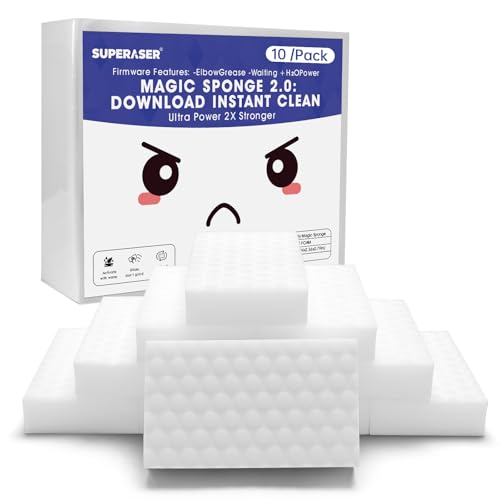
- Melamine foam sponge magic eraser for wall scuffs
- Car scratch remover kit with polish compound and applicators
- Microfiber cleaning cloth set for removing scuffs on walls and furniture


Before You Start
Identify the surface type before applying any cleaner. Painted walls respond differently than wood, laminate, or tile. Work in a well-lit area and use minimal moisture to avoid soaking walls or finishes. For all methods, test on a hidden spot first and wipe with a clean, damp cloth to remove residue. Keep liquids away from electrical outlets and wooden trim to prevent swelling or staining. Plan a short test session to estimate time and effort, typically 5–15 minutes per area depending on size and material.
Step-By-Step: How To Remove Scuff Marks
- Dry wipe the area with a microfiber cloth to remove loose dust and debris.
- Lightly dampen a microfiber cloth and apply a small amount of water or mild soap solution.
- Gently rub the scuff with the Melamine foam sponge, using even pressure and short, straight strokes. Avoid aggressive scrubbing on delicate finishes.
- Wipe away any residue with a clean, damp microfiber cloth and inspect the area. If the mark remains, repeat once or switch to the car scratch remover kit for textured surfaces.
- For wood and glossy surfaces, apply a small amount of polish compound from the kit to an applicator and work in a circular motion over the scuff.
- Buff the area with a clean microfiber cloth until the finish looks uniform and shiny, removing any excess product.
- For stubborn marks on painted walls, consider spot-testing a paint-safe cleaner or primer touch-up if color loss is detected.
- Allow any treated area to dry completely before returning items to place or handling nearby furniture.
- Reassess after a few hours; repeat if necessary, ensuring no surface damage or altered sheen remains.
- Regular preventive cleaning using microfiber cloths will minimize future scuffs and maintain a fresh appearance.
Troubleshooting
| Symptom | Likely Cause | Fix | Prevention |
|---|---|---|---|
| Paint lift or dull patch after cleaning | Over-aggressive scrubbing | Switch to softer method, test first, use minimal moisture | Use microfiber cloths and gentle motions |
| Residue after sponge use | Excess cleaner or sponge residue | Wipe with clean damp cloth and dry | Rinse cloth frequently during cleaning |
| Finish fade on wood furniture | Excess polish or abrasion | Polish with a fresh applicator and buff evenly | Use small amounts and follow grain |
| Streaks on glossy surfaces | Too much liquid | Dry the area with a microfiber cloth | Apply cleaner lightly and in a shaded area |
Common Mistakes
- Using abrasive scrub pads on walls or lacquered surfaces
- Over-wetting the area, especially near electrical outlets
- Skipping a patch test on hidden areas
- Ignoring surface texture and gloss level when choosing products
Avoid these missteps to protect finishes and maintain the longevity of walls and furniture.
Tips For Best Results
- Test any cleaner on a small, inconspicuous spot before broad application.
- Use the Melamine foam sponge sparingly and only on non-porous surfaces to prevent micro-scratches.
- Pair scuff removal with regular dusting to reduce buildup that contributes to visible marks.
- Keep a dedicated microfiber cloth set for delicate surfaces to prevent cross-contamination.
- Store polish compounds and applicators in a cool, dry place to maintain efficacy.
Call A Professional
Seek professional help if there is extensive damage, water staining, or if the wall or furniture finish shows peeling, bubbling, or deep gouges. Sudden color changes or large areas of fading may require refinishing or repainting. If DIY attempts compromise surfaces or safety concerns arise, contact a qualified contractor or furniture restoration specialist.
FAQ
Can I use household bleach to remove scuff marks?
Bleach is not recommended for most colored surfaces as it can lighten finishes and cause damage. Try milder cleaners first and follow with a spot test.
Will Melamine foam sponge remove pencil marks or pen stains?
Melamine sponges can lift marks, but they may remove paint or finish if rubbed too hard. Test and use minimal pressure.
Are microfiber cloths better than cotton for removing scuffs?
Yes. Microfiber cloths trap dirt more effectively and reduce scratching compared with plain cotton.
How long should I wait after applying polish on wood?
Allow the polish to haze slightly and then buff with a clean cloth for an even sheen.
What surfaces are safe for car scratch remover compounds?
They are generally safe on clear coats and finished wood; avoid porous paints and unsealed wood. Test first.
Should I repaint if the wall shows residual marks?
If marks persist after multiple gentle attempts, consider touch-up painting to restore uniform color and finish.
Buying Guide
Choosing the right tools for eliminating scuff marks depends on surface type and expected maintenance. Here are key buying factors to consider:
- Surface compatibility: Painted walls, wood, and laminate require different approaches. Ensure products are labeled for the intended surface.
- Effectiveness: A Melamine foam sponge is a versatile first step for lighter scuffs, while a car scratch remover kit with polish compound offers deeper restoration on glossy or wooden finishes.
- Ease of use: Look for user-friendly kits with applicators and clear instructions, especially for DIY homeowners.
- Material quality: High-quality microfiber cloths reduce scratch risk and improve cleaning efficiency.
- Maintenance needs: Consider a set that includes multiple cloths and a storage solution to keep supplies organized and ready.
- Noise and mess: Effective tools minimize the need for harsh scrubbing, reducing noise and surface disruption.
- Placement and storage: Store products in a cool, dry place and keep them away from children and pets.
In practice, a combination approach—starting with a Melamine sponge, then a microfiber cloth, and finally a polish for wood or glossy corners—tends to deliver the best, most consistent results. If buyers frequently encounter wall scuffs and furniture marks, investing in a dedicated kit alongside spare microfiber cloths can streamline maintenance and keep living spaces looking fresh.
Leave a Reply