How to Clean Travertine Table: Safe, Simple Steps
Travertine tables bring a timeless, natural look to homes, but their porous surface requires careful cleaning to prevent staining and etching. This guide provides practical, step-by-step methods using pH-neutral products and gentle tools to maintain the stone’s beauty without damage.
By following the recommended practices, homeowners can keep a travertine table looking pristine while extending its lifespan. The instructions emphasize non-abrasive methods and proper sealing to protect the surface from daily use and spills.
Quick Answer
Use a pH-neutral stone cleaner on a damp microfiber cloth to wipe the surface, then dry with a clean microfiber cloth. For setup, apply a penetrating stone sealer after the cleaning if the surface is still unsealed or showing signs of absorption. Regular maintenance involves gentle cleaning and periodic sealing to prevent staining.
What You’ll Need
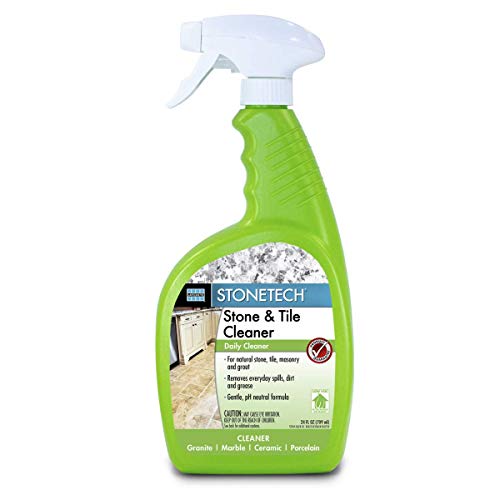
- pH-neutral stone cleaner travertine countertop spray 24oz
- microfiber cleaning cloth travertine stone non-abrasive 12×12 inches
- penetrating stone sealer travertine countertop 1 gallon


Before You Start
Before treating a travertine table, clear the surface of any objects and wipe away loose debris. Work in a well-ventilated area and test cleaners on a hidden area first to ensure no discoloration. Plan for your cleaning session to take about 15–30 minutes, plus sealing time if you apply a sealer. Avoid acidic cleaners and abrasive pads, as they can etch or dull the stone’s surface.
Step-By-Step: How To Clean Travertine Table
- Dust the surface with a clean microfiber cloth to remove loose grit.
- Spritz a small, even amount of pH-neutral stone cleaner travertine countertop spray onto the cloth or directly onto the table, following label directions.
- Wipe the surface in smooth, circular motions, focusing on any spills or stains without applying excessive pressure.
- Rinse the cloth with clean water, wring well, and wipe the surface again to remove any cleaner residue.
- Dry the table thoroughly with a dry microfiber cloth to prevent water spots and mineral deposits.
- If the surface is newly sealed or shows signs of porosity, apply a penetrating stone sealer travertine countertop as directed on the product label.
- Let the sealer cure according to manufacturer timing, then wipe away any excess with a clean cloth.
- Reassess the finish; for stubborn stains, repeat cleaning with a gentle amount of cleaner and a fresh cloth.
- Perform regular maintenance every few weeks or as spills occur, reapplying sealer as needed over time.
- Store cleaning supplies in a cool, dry place away from direct sunlight to preserve effectiveness.
- For high-use tables, consider placing coasters and placemats to minimize staining and etching risk.
Troubleshooting
| Symptom | Likely Cause | Fix | Prevention |
|---|---|---|---|
| Stains persist after cleaning | Oil or organic stains | Use a poultice recommended for travertine; re-clean after stain lifts | Promptly wipe spills; seal periodically |
| Etching or dull patches | Acidic cleaners or hard scrubbing | Re-evaluate cleaner choice and use gentler motions | Stick to pH-neutral cleaners only |
| Sealer no longer beads water | Sealer worn or improper application | Reapply penetrating stone sealer per label | Follow curing times and avoid cleaning with harsh products |
| Sticky residue after cleaning | Residual cleaner or soap buildup | Rinse thoroughly with clean water and dry completely | Use minimal cleaner; wipe dry after cleaning |
Common Mistakes
- Using acidic or abrasive cleaners on travertine
- Over-wetting the surface or leaving cleaner to sit
- Neglecting to seal porous stone after cleaning or installation
- Using rough cloths or scrub pads that scratch the surface
Sticking to pH-neutral products and soft cloths helps prevent these issues and preserves the stone’s appearance over time.
Tips For Best Results
- Test any cleaner on a hidden area before full use to ensure no color change.
- Always wipe in the direction of the stone’s natural grain to minimize streaks.
- Use a dedicated microfiber cloth for cleaning and another for drying to avoid cross-contamination.
- Seal newly installed or restored travertine to reduce staining and make future cleaning easier.
- Schedule routine upkeep, especially in areas with spills from beverages or acidic foods.
Call A Professional
Consider contacting a pro if you notice persistent discoloration, deep etching, or if you’re unsure about sealing. Immediate professional help is warranted for large stains, structural damage, or if the table is a valuable antique or heavily customized surface.
FAQ
What is the best cleaner for travertine?
A pH-neutral stone cleaner designed for travertine countertops is recommended to avoid etching and damage.
How often should I seal travertine?
Seal as needed based on porosity and usage; reapply when water no longer beads on the surface or after heavy use.
Can I use water alone to clean travertine?
Water alone can remove surface debris but often isn’t enough for spills; pair with a pH-neutral cleaner for best results.
Is sealing permanent or should I reapply?
Sealers wear over time; reapplication is typically recommended every 1–3 years depending on wear and use.
Buying Guide
When selecting products and planning maintenance for a travertine table, consider size, noise level, energy efficiency, controls, and placement. For cleaners, choose a pH-neutral formula labeled safe for travertine to minimize risk of etching. A dedicated microfiber cloth set helps prevent scratches and reduces streaking. If sealing, pick a penetrating stone sealer compatible with travertine and review the coverage area per gallon to determine how many applications you’ll need. Place cleaning and sealing supplies in a cool, dry spot away from direct sunlight to maintain efficacy. For best results, match the product choice to how the table is used—high-traffic surfaces may require more frequent maintenance. Friendly reminders: test products first, follow label directions, and allow proper curing time after sealing.
Leave a Reply