How to Clean Discolored Enamel Cookware
Introduction
Discolored enamel cookware can struggle to regain its original luster, especially after high-heat cooking or hard-water mineral buildup. This guide provides practical steps using common tools to safely restore color and shine without damaging the enamel surface.
Quick Answer
For best results, start with a non-abrasive cleaner, gently scrub with a nylon brush, rinse well, and finish with a microfiber cloth. Repeat as needed for stubborn stains, and always test cleaners on a small area first.
What You’ll Need
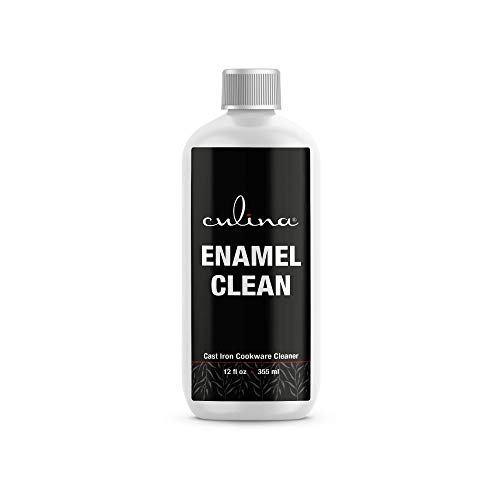
- Enamel cookware cleaner cream 16 oz non-abrasive — effective stain removal without scratching enamel
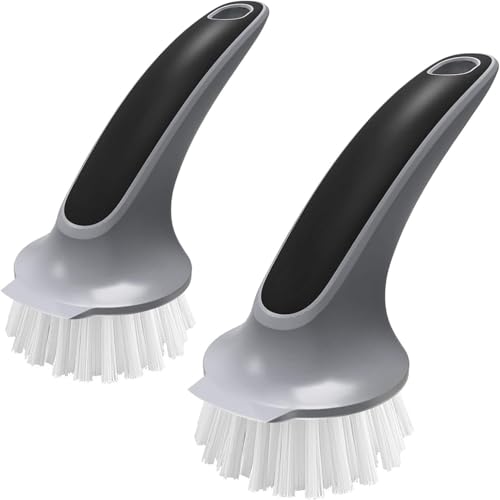
- Nylon non-scratch scrub brush for enamel pots and pans — gentle scrubbing power
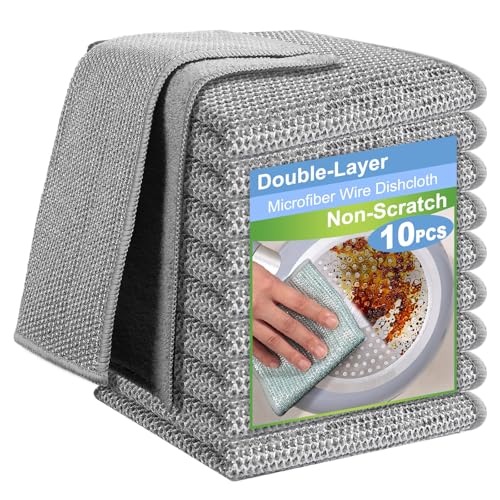
- Microfiber cleaning cloth set for enamel cookware discoloration — for drying and buffing to a shine
Before You Start
Before cleaning, ensure the cookware is cool to the touch. Avoid drastic temperature changes that can crack enamel. Check for chips or cracks; cleaning over damaged enamel can worsen wear. Use non-abrasive cleaners and soft tools only. Plan for a 15–30 minute cleaning session depending on discoloration level.
Step-By-Step: How To Clean Discolored Enamel Cookware
- Rinse the pan with warm water to loosen surface residue and avoid scratching during cleaning.
- Apply a enamel cookware cleaner cream to the stained areas, following the product’s directions.
- Let the cleaner sit for the recommended time to break down mineral deposits and baked-on stains.
- Gently scrub with a nylon non-scratch scrub brush, using circular motions to target the discolored zones.
- Rinse thoroughly with warm water, ensuring all cleaner residue is removed.
- Check for remaining stains; if needed, repeat the cleaner application and brushing in problem areas.
- Dry the pan completely with a microfiber cleaning cloth to prevent water spots and dullness.
- Buff the exterior and interior with a clean microfiber cloth for a uniform shine.
Troubleshooting
| Symptom | Likely Cause | Fix | Prevention |
|---|---|---|---|
| Stains persist after cleaning | Mineral deposits or burnt-on residue | Reapply cleaner and increase contact time; use a slightly damp brush | Clean promptly after cooking; avoid overheating |
| Faded or dull spots | Overuse of abrasive tools or harsh cleaners | Switch to non-abrasive cleaner and nylon brush | Use gentle methods; test in a small area first |
| Chipped enamel around the rim | Enamel wear or impact damage | Do not scrub aggressively; avoid soaking too long | Handle cookware carefully; avoid metal utensils |
| Discoloration returns after cleaning | Repeated heating cycles | Establish a regular gentle cleaning routine | Cook at moderate temperatures; use lids to reduce splatter |
Common Mistakes
- Using abrasive cleaners or steel wool on enamel surfaces
- Over-soaking cookware for long periods
- Scrubbing aggressively, which can dull or chip enamel
- Neglecting to rinse thoroughly, leaving cleaner residues
Tips For Best Results
- Test any cleaner on a small, inconspicuous area first
- Always dry completely to prevent water spots and mineral buildup
- Maintain a gentle cleaning routine after each use to minimize heavy stains
- Store cookware in a dry, ventilated area to reduce moisture-related discoloration
Call A Professional
Consider professional help if enamel is severely chipped, cracked, or if stains persist despite multiple cleanings. Damaged enamel may require restoration, re-coating, or replacement to ensure safe cooking and even heat distribution.
FAQ
Can I use baking soda to clean enamel cookware?
Baking soda can be used gently with a non-scratch brush for mild stains, but avoid abrasive scrubbing that can dull enamel.
Is it safe to put enamel cookware in the dishwasher?
Many enamel pieces are dishwasher-safe, but check manufacturer guidelines. Hand washing with a non-abrasive cleaner is often gentler on finishes.
What if enamel has a crack or chip?
A crack or chip should be evaluated by a professional; continued use can lead to further damage or food safety concerns.
How can I prevent future discoloration?
Cook on medium heat, avoid high-temperature searing, and clean after use to prevent mineral buildup.
What should I avoid when cleaning enamel cookware?
Avoid harsh abrasives, chlorine bleach, and metal utensils that can scratch or remove the enamel coating.
Is discoloration always removable?
Most discoloration responds to gentle cleaning, but some mineral staining or heat-induced changes may be permanent.
Buying Guide
When selecting enamel cookware and care products, consider size and capacity to fit your family, noise level if you cook on nonstick or glass lids, and energy efficiency by choosing pans that distribute heat evenly. Look for enamel thickness and glaze quality to minimize staining and chipping. For maintenance, prefer a non-abrasive enamel cookware cleaner and soft brushes, paired with a microfiber cloth for gentle polishing. Placement matters too—store pans in a dry cabinet with lids off or loosely stacked to prevent scratching. Compare cleaning routine compatibility with your typical cooking habits and choose tools that protect enamel while delivering effective stain removal.
Leave a Reply