How to Clean Dust Without Spreading It
Dust is a common household nuisance, but improper cleaning can loft it into the air and settle on other surfaces. This guide explains practical, effective methods to remove dust while minimizing dispersion, using common tools found in American homes.
By following a deliberate routine that targets dust at its source and uses appropriate tools, you can keep indoor air cleaner and reduce the need for repetitive cleaning. The steps below emphasize controlled dust capture, not just surface wiping.
Quick Answer
Use a HEPA vacuum cleaner with dusting brush attachment for initial debris and larger particles, then finish with electrostatic microfiber duster and microfiber dusting cloths set for furniture electronics to trap fine particles without recirculation. Work in a systematic pattern from top to bottom and always move toward a central collection area or a closed container.
What You’ll Need
- HEPA vacuum cleaner with dusting brush attachment
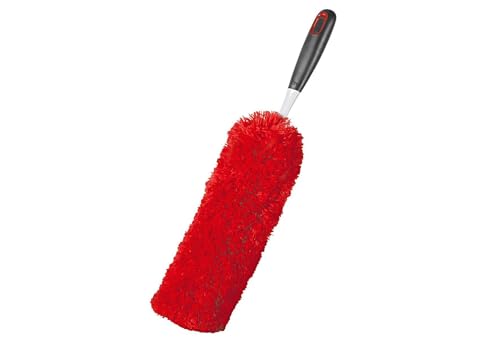
- electrostatic microfiber duster
- microfiber dusting cloths set for furniture electronics
- Optional: vacuum extensions or crevice tool for tight spaces
- Lint-free cloths for electronics screens


Before You Start
Prepare the room by closing doors to limit dust escape and removing loose items from surfaces. Wear a mask if you are sensitive to dust and ensure good ventilation without drafts that can blow particles around. Plan a clear path for your cleaning route and set aside a dedicated waste bag or container.
Critical cautions: avoid shaking dusty fabrics in place, which can release particles into the air. Do not use a dry brush on delicate electronics or screens, as this can scratch surfaces. Allow any air currents to calm before you begin your step-by-step routine.
Step-By-Step: How To Clean Dust Without Spreading It
- Start with ceiling corners, vents, and fans using the electrostatic microfiber duster to trap dust without dispersing it.
- Dust walls and baseboards with a single, smooth motion toward a central area. If using a cloth, turn it to a clean spot frequently.
- Proceed to furniture surfaces with microfiber cloths, applying light pressure to lift dust without grinding it into crevices.
- Vacuum upholstered furniture and curtains using the HEPA vacuum cleaner with dusting brush attachment, maintaining a slow, overlapping pattern.
- Use the vacuum’s crevice tool for tight gaps around frames, shelves, and electronics, keeping the nozzle in contact with surfaces to prevent airborne dust.
- Clean electronics and screens with a lint-free microfiber cloth lightly dampened with water or screen-safe cleaner, never spraying directly onto devices.
- Finish with the electrostatic microfiber duster to pick up any remaining hair or fine particles from surfaces and fabric edges.
- Empty the vacuum bag or canister in a sealed trash bag and wipe the canister interior if needed to prevent dust webbing inside the unit.
Troubleshooting
| Symptom | Likely Cause | Fix | Prevention |
|---|---|---|---|
| Dust reappears quickly on surfaces | Inadequate filtration or recirculation | Check/replace vacuum bag or filter; ensure HEPA filtration is intact | Maintain filtration; vacuum regularly with proper attachments |
| Dusting cloth partículas shed | Dirty or worn cloths | Replace or wash microfiber cloths; avoid fabric softeners | Use fresh microfiber cloths for each room |
| Dust settles after cleaning electronics | Static charge or moisture on surfaces | Dry dust only; use lint-free, dry cloths | Avoid moisture near electronics; keep humidity moderate |
| Air feels dusty after cleaning | Airflow from HVAC or fans | Close doors and reduce speed of large fans during cleaning | Ventilate after cleaning; replace HVAC filters regularly |
Common Mistakes
- Shaking dusty cloths or blankets, which releases particles into the air
- Using a dry brush on delicate surfaces or screens
- Over-wetting cloths, which can leave streaks or spread dust
- Neglecting to empty or clean the vacuum canister between rooms
Tips For Best Results
- Work from the top down: ceiling corners, high shelves, then lower surfaces to prevent re-dusting.
- Keep a dedicated vacuum for dust-prone rooms to avoid cross-contamination.
- Wash microfiber cloths in hot water and air dry to maximize electrostatic properties.
- Dust electronics with a dry microfiber cloth and avoid sprays or damp wipes near devices.
- Use shorter, overlapping strokes to avoid missing spots and reduce particle escape.
Call A Professional
Consider professional help if you notice persistent dust buildup behind walls, ceiling fixtures, or in HVAC ducts, or if you have significant allergy concerns that require enhanced filtration or remediation. Seek rapid assistance for mold smells, water damage, or suspected pest-related dust accumulation.
FAQ
What is the best way to start cleaning to prevent dust from spreading?
Begin with overhead surfaces using an electrostatic microfiber duster, then move down to furniture, and finish with a HEPA vacuum for final collection.
Can I use a regular vacuum without a HEPA filter?
Yes, but a HEPA-filtered unit is recommended for better dust containment and cleaner air during and after cleaning.
Are microfiber cloths reusable?
Yes, microfiber cloths are designed for multiple uses. Wash them separately from lint-prone fabrics and avoid fabric softeners.
How often should I clean dust-prone areas?
High-traffic and dust-prone rooms benefit from weekly touch-ups, with a deeper clean every two to four weeks depending on household conditions.
What should I do about dust on electronics?
Use a dry, lint-free microfiber cloth and avoid liquids near screens. Turn devices off and unplug when safe before cleaning.
Buying Guide
Choosing the right tools for dust control depends on several factors. Start with the right vacuum and compatible attachments to capture dust efficiently, then complement with dedicated dusting tools for delicate surfaces. Consider the following aspects to compare products effectively.
Size and Mobility
Smaller uprights or canister vacuums with detachable hoses can reach tight corners, whereas larger models may cover rooms faster. For apartments or multi-level homes, a compact unit that stores easily is advantageous.
Noise Level
Look for models that deliver quiet operation, especially for nightly cleaning or shared living spaces. A lower-decibel unit reduces disturbance while maintaining suction.
Energy Efficiency
Choose ENERGY STAR or similarly efficient devices to minimize electricity use without sacrificing performance.
Controls and Usability
Prefer straightforward controls, a clear dusting brush attachment, and a wand that makes overhead cleaning comfortable. Quick-access on/off switches and easy brush adjustments help daily use.
Placement and Storage
Think about where you will store cleaning tools. A compact kit with a dedicated caddy or wall-mount saves space and keeps attachments organized.
Compatibility With Attachments
Verify that the items listed below are compatible with your setup: HEPA vacuum cleaner with dusting brush attachment, electrostatic microfiber duster, and microfiber dusting cloths set for furniture electronics. These ensure a complete dust-control system from ceiling to electronics.
Cost of Ownership
Consider replacement filters, cloths, and the longevity of attachments. Higher initial quality can reduce ongoing replacement costs and improve dust containment over time.
Leave a Reply