How to Get Rid of Dust Mites in Pillows
Dust mites thrive in everyday bedding, and pillows are a favorite resting place. This practical guide outlines safe, effective methods Americans can use to reduce dust mite presence in pillows, improve sleep comfort, and maintain healthier indoor air without expensive equipment.
Quick Answer
Combine high-temperature cleaning with protective covers: steam or vacuum the pillow, seal it in a dust mite resistant encasement, and regularly launder surrounding fabrics. For persistent cases, repeat weekly for a month and consider professional cleaning for delicate pillows.
What You’ll Need
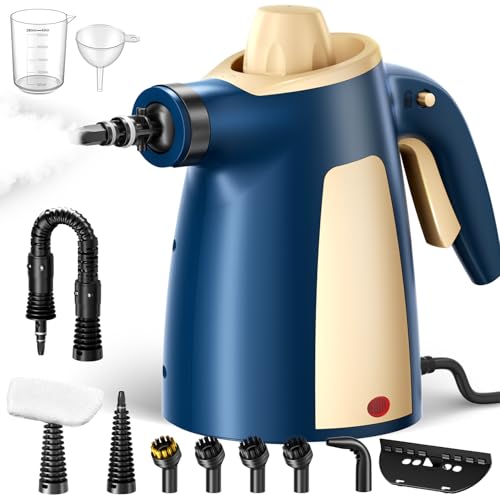
- handheld steam cleaner for pillows dust mites — to kill mites on fabric surfaces
- vacuum cleaner with upholstery tool for pillows — to remove debris and mite bodies
- dust mite resistant pillow encasement zippered cover — to seal pillows from future infestation


Before You Start
Prepare the sleeping area by washing pillowcases, shams, and any fabric remnants that contact the pillow. Clear the area around the bed to allow easy access for cleaning. Time estimates vary by method: steaming or vacuuming takes 15–30 minutes per pillow, while encasements require additional setup. Important cautions include testing heat on delicate pillows and avoiding overly aggressive steam that could damage fabric.
Step-By-Step: How To Get Rid Of Dust Mites In Pillows
- Inspect the pillow for tears or thinning fabric. If damaged, consider replacing rather than attempting repairs.
- Air the pillow in a dry, well-ventilated space for 10–20 minutes to reduce moisture before treatment.
- Use a handheld steam cleaner for pillows dust mites to thoroughly steam the pillow surface, focusing on seams and edges where mites hide. Maintain a steady motion and keep the nozzle a few inches away to avoid burns.
- Allow the pillow to cool completely, then run a vacuum cleaner with upholstery tool for pillows over the entire surface to remove loosened debris and dead mites.
- Place the pillow into a dust mite resistant pillow encasement zippered cover. Ensure the zipper is fully closed to seal the pillow from further exposure.
- Wash the pillowcase and any removable fabric covers in hot water (130°F/54°C or higher if fabrics allow) and dry on high heat to kill remaining mites.
- Repeat the cleaning cycle monthly or when symptoms (sniffles, itchy eyes) recur. For heavier infestations, increase frequency to every 1–2 weeks for 1–2 months.
- Optionally rotate pillows with fresh pillow protectors and maintain a clean sleeping environment by vacuuming the bedroom floor and headboard area regularly.
Troubleshooting
| Symptom | Likely Cause | Fix | Prevention |
|---|---|---|---|
| Persistent itch after cleaning | Re-exposure from uncovered pillows or fabric | Re-encase pillow in a zippered dust mite encasement | Wash all pillow coverings monthly |
| Steam leaves fabric damp | Insufficient drying or high moisture | Dry thoroughly between steps; use lower humidity settings | Allow full air-dry time; use breathable covers |
| Pillows lose shape after steam | Excess heat or aggressive technique | Moderate heat; keep steam wand moving | Test on a small area first |
| Allergen symptoms persist | Infestation extends beyond a single pillow | Clean all bedding and consider replacing old pillows | Adopt encasements and regular washing schedule |
Common Mistakes
- Relying on a single cleaning method without encasement protection
- Using steam on delicate pillows without testing first
- Ignoring pillow hygiene timelines and skipping regular washing
Avoid these missteps to maximize results and protect your pillow investments over time.
Tips For Best Results
- Always start with a cool, dry environment before applying heat treatments.
- Use the upholstery tool to reach seams and hidden crevices where mites hide.
- Pair physical removal (vacuum) with heat treatment for a more comprehensive approach.
- Protect pillows long-term with a certified dust mite resistant encasement and regular cleaning of surrounding fabrics.
- Rotate pillows and regularly inspect encasement zippers for wear to maintain an effective seal.
Call A Professional
Seek professional cleaning if pillows are delicate (feather-filled, antique, or vintage) or if symptoms persist despite repeated at-home treatments. Stop treatments and consult a pro if you notice mold growth, fabric damage, or unusual odors, as these conditions require specialized handling.
FAQ
Do dust mites live permanently in pillows?
Dust mites can inhabit pillows, feeding on skin flakes and humidity. Regular cleaning and encasement reduce their presence significantly.
Is hot water washing safe for pillows?
Hot water washing is effective for removable covers; check pillow and fabric care labels before washing non-removable components.
How often should I replace pillows?
Consider replacement every 1–3 years, or sooner if the pillow loses shape, support, or shows signs of wear after cleaning.
Can I use bleach or fragrance agents?
Bleach can degrade certain fabrics; fragrance additives may irritate sensitive sleepers. Use milder cleaners and test fabrics first.
Buying Guide
Choosing the right setup to combat dust mites in pillows depends on several factors. Consider size compatibility with your pillows, the noise level of cleaning devices, and energy efficiency when using heat. Look for user-friendly controls that allow precise temperature and suction settings. Placement matters too: keep cleaning devices at a comfortable distance to avoid damage while ensuring effective coverage. A comprehensive kit might include a handheld steam cleaner, a vacuum with an upholstery tool, and a durable dust mite resistant pillow encasement with a full zip. Evaluate compatibility with your pillow type (memory foam, latex, or feather) and follow fabric care instructions to preserve warranty and performance. Regular maintenance — including washing pillowcases, shams, and encasement covers — reinforces the effectiveness of these tools and promotes a healthier sleeping environment. Are you ready to protect your sleep space with a targeted, practical routine?
Leave a Reply