How to Clean an AFe Dry Air Filter
The AFe dry air filter system is designed for performance and longevity when properly maintained. Regular cleaning helps sustain airflow and filtration efficiency. This guide walks through safe cleaning methods using compatible kits and tools, with practical steps suitable for most dry filter setups.
Quick Answer
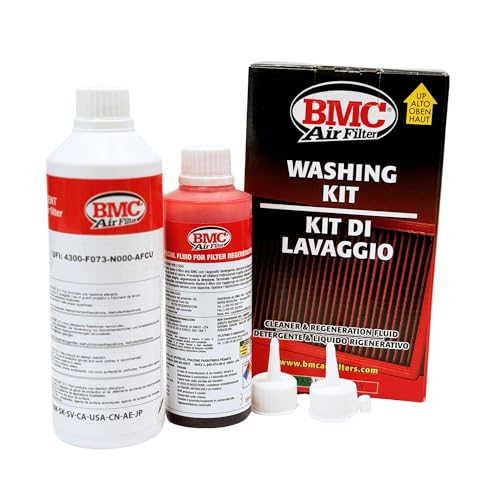
To clean an AFe dry air filter, remove the filter, tap out loose debris, apply a dedicated aFe dry air filter cleaning kit solution, rinse with water from the clean side outward, dry completely, and re-oil only if the filter design requires it. Use a air filter cleaning brush for dry filters to loosen embedded grime, then reinstall carefully.
What You’ll Need
- aFe dry air filter cleaning kit or equivalent dry filter cleaning solution
- Air filter cleaning brush for dry filters
- Water source for rinsing (preferably low-pressure)
- Cleaner bucket or spray bottle (as directed by the kit)
- Clean towels or lint-free rags
- Replacement O-rings or seals if required by the filter model


Before You Start
Plan for a cleanup session that takes 30 to 60 minutes depending on filter size. Work in a well-ventilated area and wear protective gloves to protect your hands from cleaning solutions. Inspect the filter housing for cracks or damage before reinstallation. Make sure the filter is completely dry before re-oiling or reinstalling, as moisture can promote mold growth and reduce filtration efficiency.
Step-By-Step: How To Clean An AFe Dry Air Filter
- Power down the vehicle or system and disconnect any electrical connections if applicable.
- Carefully remove the air filter from its housing, noting orientation for correct reinstallation.
- Tap the filter gently to remove loose dust and debris. Use the air filter cleaning brush for dry filters to lift embedded particles without tearing the media.
- Rinse the filter with water from the clean side outward. Avoid blasting from the dirty side to prevent pushing contaminants deeper.
- Apply the aFe dry air filter cleaning kit solution as directed. Allow the solution to soak briefly, which helps soften grime without soaking the dry media.
- Rinse again from the clean side to remove all cleaning solution and loosened debris. Ensure no suds remain.
- Allow the filter to air dry completely in a dust-free area. Do not use heat sources or direct sunlight to accelerate drying, which can deform the media.
- Inspect the dry filter for any damage. If the filter shows tears or significant wear, replace it rather than attempting a repair.
- If your filter design requires oiling, apply a light, even coating following the kit instructions. Do not oversaturate the media.
- Reinstall the filter with the proper orientation and secure clamps or housing fasteners. Reconnect any disconnected components and test the system for proper operation.
- Clean the surrounding intake area to minimize reintroduction of dust after reassembly.
Troubleshooting
| Symptom | Likely Cause | Fix | Prevention |
|---|---|---|---|
| Filter remains damp after drying | Insufficient air circulation or humid environment | Move to a drier area and increase airflow while drying | Store and dry in a well-ventilated space |
| Loss of filtration efficiency after cleaning | Improper cleaning technique or missing steps | Repeat cleaning with correct steps and ensure full drying | Follow kit instructions precisely |
| Unusual odors from the intake | Moisture trapped in media or contaminated cleaning solution | Rinse thoroughly and dry completely; use fresh cleaner | Use recommended products only |
| Discoloration or media damage | Aggressive brushing or incompatible cleaner | Cease cleaning and replace the filter if damage is visible | Gentle brushing and approved solutions |
Common Mistakes
- Using household detergents or harsh chemicals not designed for dry media
- Directly applying heat to dry the filter or speeding drying with heat
- Omitting a complete dry before re-oiling or reinstalling
- Neglecting to inspect seals and housings for wear or damage
Tips For Best Results
- Brush and rinse in a single direction to minimize media abrasion
- Rinse with minimal water pressure to avoid forcing debris deeper into the folds
- Keep a dedicated work area for cleaning to prevent cross-contamination
- Record cleaning intervals based on driving conditions and air quality
Call A Professional
Consider professional service if the filter shows signs of tearing, swelling, or persistent odors after cleaning. Seek expert help if you are unsure about the correct oiling process for your filter model or if the housing shows cracks or improper fitment.
FAQ
Can I use regular air filter spray cleaner on a dry filter?
Use only cleaners recommended for dry air filters. Regular spray cleaners may leave residues or damage the media.
Is it necessary to oil a dry filter after cleaning?
Some dry filters are oil-free by design, while others require light oiling. Follow the kit’s instructions for your specific model.
How long should the filter dry after washing?
A full dry can take several hours depending on humidity and airflow. Do not rush the process.
What if the filter won’t dry completely?
Move to a more ventilated area and allow extra drying time. Do not reinstall until fully dry.
Can I clean a dirty dry filter in cold weather?
Cleaning in very cold conditions can hinder drying. If possible, wait for warmer temperatures or indoors with airflow.
Should I replace seals after cleaning?
Inspect seals for wear; replace if cracking or stiff. Proper seals prevent unfiltered air leaks.
Are there disposal considerations for a worn filter?
Dispose of damaged filters according to local regulations and recycle components where possible.
Buying Guide
When selecting maintenance gear for an AFe dry air filter system, consider several factors to ensure effective care and compatibility:
- Size and compatibility: Confirm the filter model and housing size to choose the right cleaning kit and brush set.
- Noise level and ease of use: A comfortable, low-stress cleaning kit reduces time and effort, especially for frequent maintenance.
- Energy and water use: Efficient, spray-based kits minimize water use and energy for drying.
- Controls and instructions: Clear, model-specific instructions help prevent misuse and damage.
- Placement and storage: Keep cleaning supplies in a dry, accessible area to streamline maintenance episodes.
For best results, compare the aFe dry air filter cleaning kit against other compatible cleaners and brushes designed for dry filters. Look for customer reviews and compatibility notes with your specific filter model. A well-chosen cleaning kit not only maintains performance but also extends the life of the filter media.
Leave a Reply