How to Get Rid of Green Hair Naturally and Safely
Green hair is a common effect of minerals, primarily copper, in tap water reacting with salon or home color and lightener. This guide explains practical steps to neutralize or remove the tint without damaging hair, using commonly available products and techniques. Readers will learn a quick plan, the tools needed, safety considerations, and how to maintain color clarity after treatment.
Quick Answer
Start with a chelating shampoo formulated for hard water copper removal to break up mineral deposits. If green tones persist, use a color-correcting purple shampoo to neutralize greenish hues, followed by a Vitamin C treatment to lift remaining color buildup. Repeat as needed, then protect hair with a gentle color-safe conditioner.
What You’ll Need
- Chelating shampoo hard water copper removal 8oz
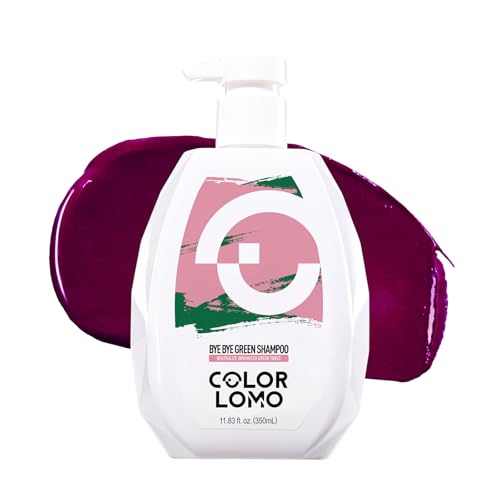
- Color correcting purple shampoo to neutralize green hair 8oz
- Vitamin C hair treatment powder sachets remove color buildup


Before You Start
Assess hair health and plan a patch test if using new products. Wear gloves to prevent skin irritation and avoid applying strong treatments on very damaged or recently colored hair. Work in a well-lit area and rinse thoroughly between steps. Time estimates: 20–40 minutes for the initial treatment, plus 10–20 minutes for conditioner and final rinses. Critical cautions include avoiding scalp overexposure to chelating solutions and not mixing products without rinsing between applications.
Step-By-Step: How To Get Rid Of Green Hair
- Rinse hair with warm water to open the cuticle and prepare for mineral removal.
- Apply the Chelating shampoo hard water copper removal 8oz evenly from roots to ends. Leave for 3–5 minutes while massaging gently.
- Rinse completely and repeat once if copper buildup is visible. Use cooler water for the final rinse to help seal the cuticle.
- Evaluate color: if green tones remain, proceed to a color correction step with purple shampoo.
- Apply the Color correcting purple shampoo to neutralize green hair 8oz and leave on for 3–5 minutes, then rinse thoroughly.
- Prepare a Vitamin C treatment by dissolving a powder sachet in warm water per package directions. Apply to damp hair, focusing on green-tinged areas.
- Massage lightly and let sit for 10–15 minutes, then rinse completely. Condition with a color-safe formula to restore moisture.
- Style as desired. If green tones persist after the first round, repeat the Purple Shampoo and Vitamin C steps after 24–48 hours.
- To avoid future green tint, consider a low-porosity hair routine with chelating products less frequently and a copper-safe rinse or filter for shower water.
- Maintain color by using gentle, sulfate-free shampoos and regular conditioning to keep the cuticle smooth and resistant to mineral adhesion.
- For persistent cases, consult a professional stylist to assess color chemistry and consider a shade-balancing gloss or retouch.
Troubleshooting
| Symptom | Likely Cause | Fix | Prevention |
|---|---|---|---|
| Green tint returns after a few days | Residual mineral buildup | Reapply chelating shampoo and purple shampoo in alternating sessions | Install a showerhead filter; avoid copper-rich water |
| Hair feels dry after treatment | Overuse of chelating agents | Limit to once every 2–3 weeks; use deep conditioner | Balance with a weekly moisture mask |
| Purple shampoo makes hair look gray or dull | Over-application or over-toning | Reduce time to 1–2 minutes; rinse thoroughly | Alternate with a gentle, color-safe conditioner |
| Color quickly fades after treatment | Weak cuticle seal or heavy washing | Use cooler rinses and a UV protectant spray | Limit washing frequency; use color-safe products |
Common Mistakes
- Using chelating products too frequently, which can strip natural oils
- Leaving purple shampoo on too long, causing over-toning
- Ignoring patch tests, which may reveal sensitivity or allergy
- Skipping conditioner after mineral removal, leading to brittle hair
Tips For Best Results
- Do a strand test before full application to gauge reaction and timing
- Follow chelating treatments with a deep conditioner to restore moisture
- Combine chelating and color-correcting steps strategically to minimize processing time
- Use a water filter or filtered shower head to reduce mineral intake for future colorings
- Keep color-safe, sulfate-free shampoos on hand to maintain results longer
Call A Professional
Seek professional help if: the green coloration covers a large area, if copper staining persists after multiple treatments, or if hair shows signs of severe damage such as breaks or excessive porosity. A stylist can perform safe tinting corrections, glosses, and custom color balancing to protect hair integrity and achieve the desired shade.
FAQ
What causes green hair after dyeing or bleaching?
Green tones often result from minerals like copper in hard water reacting with color molecules, especially after lightening or dyeing.
Can chelating shampoo remove copper buildup?
Yes, chelating shampoos are designed to bind mineral deposits like copper and help lift them from the hair.
Is purple shampoo safe for all hair types?
Purple shampoo is generally safe but should be used in moderation on fine or porous hair to avoid over-toning.
How often should I use Vitamin C treatment for color buildup?
The frequency depends on buildup and hair condition; start with a single treatment and adjust based on results.
Buying Guide
Choosing the right products to prevent and correct green hair involves several factors. Consider the following to optimize results and maintain hair health:
- <bSize and bottle format: 8-ounce bottles are common; choose a size that fits your routine and storage space.
- <bNoise level (for any motorized tools used during washing or treatment): select mild or standard settings if using home devices.
- <bEnergy efficiency: not a major factor for these products, but energy-conscious appliances used for washing can help reduce impact.
- <bControls: easy-to-follow directions and clear timing on product packaging are helpful for consistent results.
- <bPlacement: store in a cool, dry place away from sunlight; avoid damp areas that can degrade products.
Additionally, weigh the benefits of each product type: chelating shampoos for mineral removal, purple shampoos for neutralizing tones, and Vitamin C treatments for buildup lift. For best outcomes, use a coordinated regimen that matches your hair type, level of mineral exposure, and styling routine. If unsure, start with smaller steps and monitor results before escalating to multiple treatments in one session.
Leave a Reply