How to Clean a Gold Chain With Baking Soda
Gold chains acquire a subtle glow when cared for properly, but everyday wear can leave them dull or lightly tarnished. Baking soda offers a gentle, budget-friendly option to restore luster without harsh chemicals. This guide walks through safe methods to clean a gold chain, including practical steps, safety tips, and troubleshooting, so you can brighten jewelry confidently at home.
Quick Answer
Use baking soda with care—create a mild paste or a safe soak, rinse thoroughly, and dry completely. For stubborn grime, repeat once or twice, avoiding abrasive scrubbing. When in doubt, test on a small area first and opt for professional cleaning for valuable pieces or intricate chains.
What You’ll Need
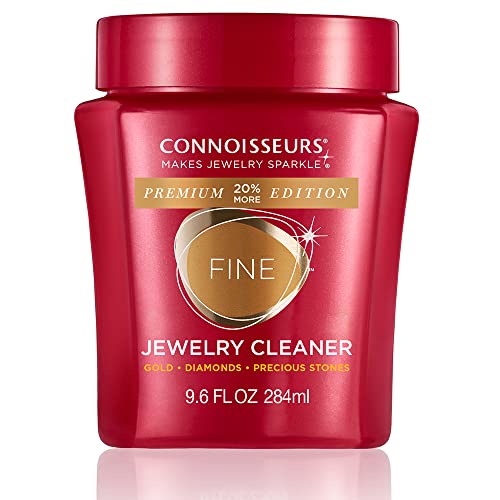
- 14K gold chain cleaning baking soda jewelry cleaner kit
- gold chain baking soda paste jewelry cleaner for gold jewelry
- jewelry cleaning baking soda safe soak container for gold chain
- soft-bristled toothbrush or jewelry brush
- lukewarm distilled water
- clean, lint-free cloth


Before You Start
Check the chain for loose links or clasps; aggressive cleaning can worsen damage. Use lukewarm water, not hot, to prevent any warping. Avoid chlorine and ammonia, which can damage gold plating and mixed metals. Plan for a 10–20 minute cleaning session for routine maintenance, or longer for heavily tarnished pieces.
Step-By-Step: How To Clean A Gold Chain With Baking Soda
- Remove any jewelry from surfaces that might scratch or snag during cleaning.
- Rinse the chain briefly under lukewarm water to remove surface dust.
- Prepare a mild baking soda solution or paste using the steps below.
- If using a paste, mix a small amount of baking soda with a few drops of water until smooth.
- Dip a soft brush into the solution and gently brush along the chain, focusing on links and clasps.
- For a soak, place the chain in a shallow container with the baking soda solution for 5–10 minutes.
- Rinse thoroughly with lukewarm distilled water to remove all residues.
- Pat dry with a clean cloth, then lay flat to air dry completely before wearing.
- Inspect the chain for any remaining tarnish; repeat if necessary, avoiding aggressive scrubbing.
- Store in a soft pouch or separate compartment to minimize contact with other jewelry.
- For chains with delicate links or gemstones, consider a professional cleaning if issues persist.
- Document any changes in the chain’s appearance and adjust cleaning frequency accordingly.
Troubleshooting
| Symptom | Likely Cause | Fix | Prevention |
|---|---|---|---|
| Dull appearance after cleaning | Insufficient rinsing | Rinse thoroughly with distilled water | Rinse until no residue remains |
| Clasp or links still look tarnished | Heavy tarnish or coating | Repeat cleaning or use professional service | Clean regularly to prevent buildup |
| Discoloration on gold | Reaction to baking soda on plated pieces | Stop using baking soda on non-solid gold and seek jewelry-safe methods | Avoid baking soda on gold-plated items |
| Scratches after cleaning | Abrasion from stiff brushes | Switch to a softer brush and gentler technique | Use a soft brush for all future cleanings |
Common Mistakes
- Using hot water or harsh cleaners that can weaken delicate links
- Aggressive scrubbing that causes micro-scratches
- Over-soaking certain chains or plated pieces
- Not drying completely, which can promote tarnish
Tips For Best Results
- Test cleaning methods on a small, inconspicuous area first to confirm the finish is unaffected.
- Use distilled or filtered water to minimize minerals that can leave spots.
- Combine gentle brushing with a brief soak for best results on regular gold chains.
- Schedule routine cleanings every few weeks to maintain shine without buildup.
Call A Professional
Consider a professional cleaning when a chain has extensive patina, loose links, or grid-like damage. Stop cleaning and seek expert help if:
- The chain shows significant wear or clasp issues
- There are visible cracks or bending in the links
- Gemstones are set, and the settings feel insecure
FAQ
Can baking soda harm a gold chain?
Baking soda is generally safe for solid gold, but it can damage gold-plated pieces or sensitive stones. Use sparingly and test first.
How often should I clean a gold chain?
Clean jewelry as needed based on wear, roughly every few weeks for daily wear, or monthly for sporadic use.
Is a paste better than a soak?
A paste offers targeted cleaning on tough grime, while a soak provides broader coverage; choose based on the chain’s condition.
What should I do if the chain turns dull after cleaning?
Rinse thoroughly and try a gentler method with less abrasive brushing; if dullness persists, consult a jeweler.
Buying Guide
When selecting cleaning supplies for a gold chain, consider size, noise level, energy efficiency, controls, and placement anywhere in the home. For at-home cleaning, look for a kit that includes a gentle solution, a soft brush, and clear instructions. Assess whether a soak container is included or if you’ll need a separate bowl. Consider the chain’s size and thickness to determine the appropriate cleaning duration. For frequent cleanings, a compact, low-noise kit with simple controls can be ideal. Ensure the product is labeled safe for gold to avoid compatibility issues.
Leave a Reply