How to Clean Upholstery: A Practical Guide
Upholstery cleaning improves the look and longevity of furniture and can be done with common tools and careful technique. This guide walks through safe methods for fabrics found in most American homes, with practical steps you can follow to lift stains, remove odors, and refresh cushions.
Quick Answer
For routine cleaning, vacuum first, treat stains with a gentle fabric cleaner, and use a low-moisture method to avoid soaking. Always test a small hidden area, avoid over-wetting, and finish by drying thoroughly to prevent mildew.
What You’ll Need
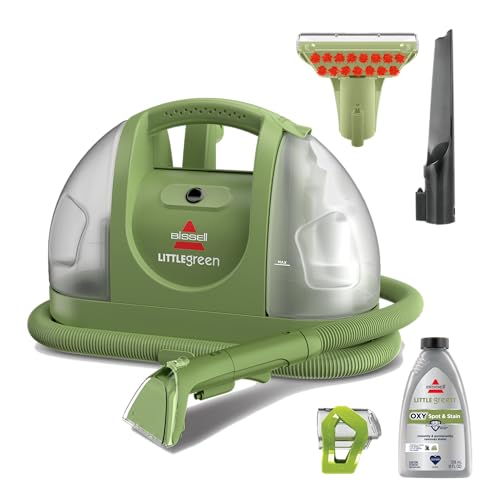
- Steam cleaner for upholstery furniture
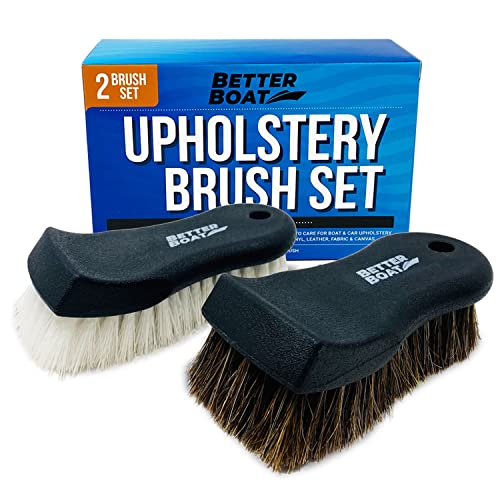
- Upholstery cleaning brush set for fabric
- Portable fabric upholstery extractor machine

Before You Start
Prepare a clean, well-lit workspace and remove loose items from furniture. Check care labels on fabrics; some synthetics tolerate water-based cleaners, while delicate fibers may require dry cleaning products or professional services. Protect surrounding surfaces with a drop cloth or towels. Allow generous drying time—typically 4–12 hours depending on humidity and fabric density. Plan ahead if you’re cleaning multiple pieces.
Step-By-Step: How To Clean Upholstery
- Vacuum thoroughly with a brush attachment to remove loose dirt and dust from seams and cushions.
- Inspect fabrics for colorfastness by testing a hidden area with your cleaner or solvent.
- Prepare a mild cleaning solution following product directions or use a steam-cleaning setting for synthetic fabrics.
- Apply cleaner evenly, starting from the top and working downward, paying attention to heavy-soil areas like armrests and cushions.
- Use the upholstery brush set for fabrics to agitate the fibers gently without abrading them.
- Rinse or extract with minimal moisture, ensuring the machine’s suction pulls away both solution and dirt.
- Blot excess moisture with clean towels and allow to air dry, preferably with good ventilation or a fan to speed drying.
- Check for remaining stains; repeat treatment on stubborn spots if needed, taking care not to overwet the fabric.
- Finish with a light brush to lift nap fibers once dry, restoring the fabric’s texture.
- Reassess the piece after it dries fully; consider a second pass if odors persist or if soils remain visible.
Troubleshooting
| Symptom | Likely Cause | Fix | Prevention |
|---|---|---|---|
| Stains reappear after drying | Incomplete extraction or set-in stain | Repeat cleaning with fresh solution and thorough extraction | Pre-treat stains promptly; avoid soaking |
| Fabric feels stiff after cleaning | Detergent residue | Rinse with clean water and extract well | Use the minimum effective amount of cleaner |
| Color fading or bleeding | Unstable dye or over-wetting | Discontinue use and consult manufacturer care guidelines | Test first; don’t oversaturate |
| Persistent odors | Moisture trapped in padding | Increase drying airflow; consider enzyme-based odor remover | Ventilate while cleaning |
Common Mistakes
- Over-wetting fabric, which slows drying and invites mildew
- Skipping the colorfast test, risking dye transfer
- Using harsh cleaners on delicate materials
- Not drying thoroughly before use or re-staining areas
- Ignoring cushion interiors that may require professional attention
Addressing these can prevent damage and improve long-term results.
Tips For Best Results
- Always start with a vacuum to remove surface dust and debris.
- Use steam cleaning for synthetic fabrics when allowed by care instructions.
- Work in a well-ventilated area and wear protective gloves if using cleaning solutions.
- Rotate cushions during cleaning to ensure even drying and cleaning coverage.
- After cleaning, lightly brush fibers to restore pile and texture once dry.
Call A Professional
Consider a pro if the upholstery has особенно delicate fibers, significant stains that resist home cleaning, or structural issues beneath the fabric. Stop and consult a professional if:
- The fabric is leather, suede, or has special finishes that require specialized products
- There are persistent odors that do not improve after cleaning and drying
- Stains are widespread or the piece is heavily soiled beyond typical household cleaning
FAQ
Can I use water-based cleaners on all fabrics?
Most synthetic fabrics tolerate water-based cleaners, but always test a hidden area first and follow care labels.
Is steam cleaning safe for all upholstery?
Steam is effective for many fabrics but avoid it on delicate materials or those labeled dry-clean only.
How long does upholstery take to dry after cleaning?
Drying times vary; plan for 4–12 hours depending on fabric type, humidity, and ventilation.
Should I use a professional extractor or DIY steam cleaner?
DIY machines work well for routine cleaning, while professional extractors may be better for deep staining or large pieces.
What can I do to prevent future stains?
Use protective sprays where appropriate, address spills promptly, and schedule regular vacuuming to minimize buildup.
Buying Guide
When choosing tools for cleaning upholstery, consider size, ease of use, and compatibility with your furniture fabrics. A reliable steam cleaner for upholstery furniture offers versatile cleaning power, while an upholstery cleaning brush set for fabric helps with detail work on seams and textured surfaces. For frequent cleaning or larger pieces, a portable fabric upholstery extractor machine provides effective extraction and faster drying.
Key buying factors include:
- Size and portability: Choose a model that fits your space and can reach under cushions.
- Power and heat: Look for adjustable heat and strong suction for efficient cleaning.
- Water usage and drying time: Low-moisture methods dry faster and reduce mildew risk.
- Fabric compatibility: Verify care labels and test any cleaner on hidden areas.
- Attachments: A good brush set and nozzle options improve results on different fabrics.
- Noise level: Quieter models are easier to use in living spaces.
- Maintenance and warranty: Longer warranties and easy-to-replace parts save time and money.
Considering these factors helps match a cleaning system to household needs and furniture types, from microfiber couches to cotton sofas. If in doubt, start with a modest setup and upgrade as needed, balancing cost with performance.
Leave a Reply