How to Remove Onion Odor From a Cutting Board
Onions are a kitchen staple, but their strong sulfur compounds often linger in cutting boards, transferring unwanted aroma to other foods. This guide provides practical, safe methods to neutralize onion smell on various cutting boards, using common household supplies and a few targeted products.
Quick Answer
Two fast options: scrub with a paste of baking soda and warm water, then rinse and air-dry; or run a quick pass with a lemon essential oil cutting board cleaner deodorizer to freshen and disinfect. For persistent odor, try a deodorizing bar or a dedicated odor eliminator spray designed for cutting boards.
What You’ll Need
- Basic cleaning supplies (sponges, dish soap)
- Baking soda
- White vinegar (optional)
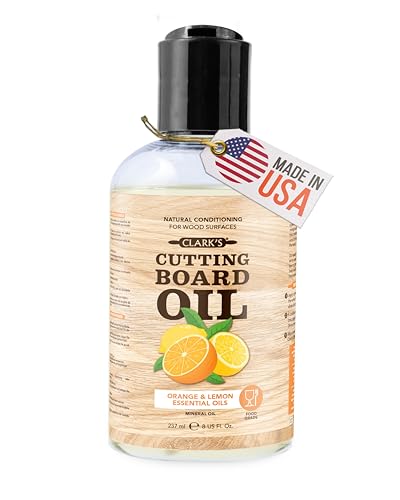
- Lemon slices or lemon essential oil cutting board cleaner deodorizer
- Plain hot water
- Disinfectant safe for food-contact surfaces (if needed)
- stainless steel deodorizing bar for cutting boards onion odor
- cutting board odor eliminator spray onion smell


Before You Start
Safety notes: inspect the cutting board for cracks or deep grooves where odors can reside; exclude boards with deep porosity from direct contact with certain cleaners. Test any cleaner on a small area first. Time estimates: a quick wipe takes about 5 minutes; a full deodorizing treatment may take 15–20 minutes including drying time. Do not soak wooden boards in water for long periods, as it can warp or crack the board.
Step-By-Step: How To Remove Onion Odor From A Cutting Board
- Rinse the board under warm running water to remove any loose onion particles.
- For a quick deodorizing method, sprinkle baking soda over the surface and add a small amount of warm water to make a paste. Scrub with a non-scratch sponge in circular motions.
- Rinse thoroughly and pat dry with a clean towel. Allow the board to air-dry completely before using again.
- If odors persist, apply a thin layer of lemon essential oil cutting board cleaner deodorizer or a few lemon slices. Rinse and dry.
- For stronger odor, use a stainless steel deodorizing bar for cutting boards onion odor. Rub the bar along the surface, then rinse and dry.
- Another option is spraying with cutting board odor eliminator spray onion smell, focusing on both sides. Let it air-dry.
- Wipe with white vinegar diluted in water (1:1) if allowed for your board type, then rinse and dry completely.
- Re-season wooden boards if they appear dry after treatment: rub with a small amount of neutral oil, wipe off excess, and let sit a few hours before use.
- Store the board upright to improve air circulation and reduce lingering moisture that can harbor odors.
- Rotate use between different boards if possible to minimize repeated onion exposure on a single surface.
- For ongoing maintenance, repeat the deodorizing routine monthly or as needed based on odor strength.
Troubleshooting
| Symptom | Likely Cause | Fix | Prevention |
|---|---|---|---|
| Persistent onion smell after cleaning | Deep-set odor in wood or micro-grooves | Apply deodorizing bar; repeat with spray and vinegar rinse | Clean promptly after use; dry thoroughly |
| Board tastes metallic after cleaning | Metal residue from scrub tools | Rinse tools; switch to non-metal scrubbers | Use food-safe cleaning tools |
| Odor returns within hours | Board not drying fully, moisture retention | Air-dry completely; store upright | Dry thoroughly after each wash |
| Wood warping or cracking | Excessive soaking | Limit water exposure; recondition with oil | Avoid soaking; wipe and dry |
Common Mistakes
- Using strong household chemicals not labeled for food-contact surfaces
- Soaking wooden boards in water or leaving them wet for extended periods
- Mixing cleaners that can react and cause odors or residues
- Neglecting to dry the board completely after cleaning
Tips For Best Results
- Clean promptly after cutting strong-smell foods to minimize odor transfer
- Use a dedicated sponge or cloth for boards to avoid cross-contamination
- For wooden boards, reapply a light oil finish after thorough drying to maintain moisture balance
- Rotate cleaners: lemon-based products can complement baking soda and vinegar steps
- Store boards in a well-ventilated area to deter odor buildup
Call A Professional
Professional cleaning may be necessary if the board is heavily porous, has deep grooves, or shows signs of mold. If persistent odors persist after multiple deodorizing attempts, consult a kitchenware expert or the board manufacturer for approved cleaning methods and safety guidelines.
FAQ
Can I use lemon juice on wooden cutting boards?
Yes, dilute lemon juice with water and use it as a natural deodorizer, but avoid soaking and always dry thoroughly afterward.
Is vinegar safe for wooden boards?
White vinegar is generally safe in a diluted form, but test on a small area first and ensure it dries completely.
Do metal deodorizing bars cause scratches?
Choose non-abrasive bars and follow the manufacturer’s instructions to prevent surface damage.
How often should I deodorize my cutting boards?
Routine deodorizing is recommended after frequent onion use or when odor lingers, typically every few weeks for regular kitchen use.
Buying Guide
When selecting products to help remove onion odor from cutting boards, consider several factors:
- Size and material compatibility: Wooden, plastic, and bamboo boards respond differently to cleaners; check product compatibility
- Odor-neutralizing effectiveness: Look for products specifically designed for onion odor on cutting boards
- Noise level and ease of use: Sprays should be easy to apply; bars should rub smoothly without residues
- Energy and sustainability: Go for fragrance-free or natural components when possible
- Controls and application: Sprays with simple nozzles and bars with clear rubbing directions
- Placement and storage: Consider products that store neatly on the countertop or in a cabinet for quick access
With the right approach, onion odors can be controlled effectively without compromising food safety. If you’re choosing among options, a combination of stainless steel deodorizing bar for cutting boards onion odor, cutting board odor eliminator spray onion smell, and a lemon essential oil cutting board cleaner deodorizer often provides versatile, reliable results across common board types. Would you like help choosing the best option for wooden versus plastic boards?
Leave a Reply