How to Clean a Decanter
Decanters add elegance to a table, but their intricate shapes can make cleaning a challenge. A proper cleaning routine removes wine stains, removes odors, and preserves the glass. This guide outlines a practical, step-by-step approach that uses common tools and a few specialty items to restore shine without risking damage.
Quick Answer
Rinse with warm water, use a gentle brush or cleaning beads kit to remove residue, then rinse again and air-dry upside down. For stubborn stains, fill with warm water and a touch of dish soap, or use a specialized decanter cleaning kit to help lift buildup.
What You’ll Need
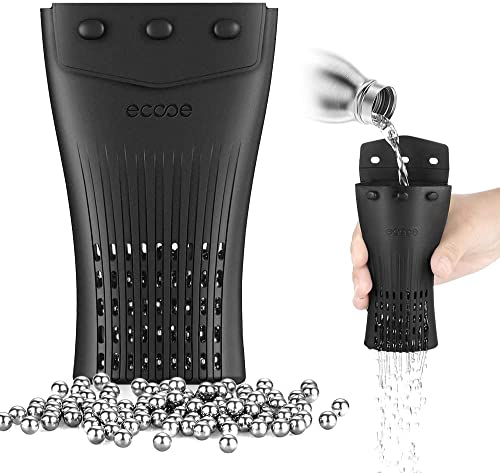
- decanter cleaning beads kit
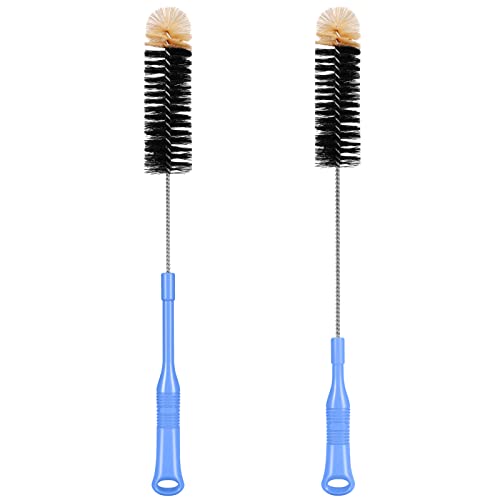
- wine decanter cleaning brush long handle
- silicone bottle brush long neck decanter cleaning

Before You Start
Prepare a clean workspace and lay down a soft towel to cushion the decanter. Use warm, not hot, water to avoid thermal shock that could crack glass. If you have a stubborn stain, test any cleaner on a small, inconspicuous area first. Never use abrasive scrubbers that could scratch the glass. Allow the decanter to air-dry completely after cleaning to prevent water spots and odors from lingering.
Step-By-Step: How To Clean A Decanter
- Rinse the decanter with warm water to loosen loose residues before any cleaning.
- Pour a small amount of warm water into the decanter and swirl to coat the interior, then pour out.
- Insert the silicone bottle brush long neck decanter cleaning into the spout and gently scrub the neck and interior walls.
- If residue persists, add decanter cleaning beads kit into the decanter with warm water. Swirl for 30–60 seconds to agitate stains without scratching glass.
- Rinse thoroughly with warm water to remove beads and loosened debris. Repeat as needed until water runs clear.
- For delicate or complex shapes, use the wine decanter cleaning brush long handle to reach corners and the base without forcing the brush.
- Rinse again with clean water. Shake gently to remove excess moisture, then place the decanter upside down on a clean towel to air-dry.
- Inspect for any remaining spots. If odors linger, a short soak with a mild, non-scented detergent and thorough rinse can help, followed by a final rinse with warm water.
Troubleshooting
| Symptom | Likely Cause | Fix | Prevention |
|---|---|---|---|
| Streaks or water spots | Hard water minerals | Rinse with distilled water or dry thoroughly | Regular cleaning after use |
| Unpleasant odor | Residual wine oils | Short warm-water rinse with a mild detergent, then thorough rinse | Clean soon after use |
| Stubborn stains | Color compounds bonded to glass | Use decanter cleaning beads kit and swirl; repeat | Prompt cleaning after each use |
| Cracks or chips | Thermal shock or impact | Heal by avoiding temperature shocks; seek replacement if damaged | Warm to room temperature gradually |
Common Mistakes
- Using scouring pads on glass surfaces
- Soaking for too long with aggressive cleaners
- Neglecting to rinse completely, leaving soap residue
- Forcing brushes through narrow necks, which can crack or scratch
By avoiding these missteps, decanter cleaning remains effective and safe, preserving clarity and sparkle.
Tips For Best Results
- Pre-rinse wine stains as soon as possible to prevent set-in deposits.
- Keep a dedicated decanter cleaning kit on hand to simplify maintenance.
- Use warm water rather than hot to avoid thermal shock that could crack the glass.
- After cleaning, dry with a lint-free towel and tilt slightly to allow complete drainage.
- Store upright in a cool location to prevent odor absorption from surrounding items.
Call A Professional
Consider professional help if you notice persistent deep stains that do not respond to standard cleaning, or if the decanter has significant cracks or chips. Also seek a pro if the decanter was an heirloom piece and requires careful handling or professional restoration.
FAQ
Can I use dish soap to clean a decanter?
Yes, a mild dish soap can be used for a gentle clean, but rinse thoroughly to avoid soap residue.
Are decanter cleaning beads safe for all glass types?
Generally safe for standard glass decanters; check manufacturer guidelines if the glass is antique or particularly delicate.
How often should a decanter be cleaned?
Clean after each use to prevent odor and stain buildup; a thorough deep clean monthly is often sufficient for regular use.
What’s the best way to dry a decanter?
Turn the decanter upside down on a soft towel and allow it to air-dry completely before storing.
Can I use boiling water for stubborn stains?
Avoid boiling water, as rapid temperature changes can stress or crack glass. Use warm water and gentle agitation instead.
Is it safe to use a dishwasher for a decanter?
Most decanters are not dishwasher-safe due to shape and potential heat exposure; hand washing is recommended.
What if stains return after cleaning?
Revisit the cleaning beads kit and brush technique, then consider a longer soak with warm water and a mild detergent, followed by thorough rinsing.
Buying Guide
When choosing tools and kits to maintain a decanter, consider size, material, and usability. A dedicated decanter cleaning beads kit and a long-handled brush set are valuable for routine care and tackling hard-to-reach areas. Look for items designed for glassware with soft interiors to minimize scratching. Consider the following factors:
- Size and shape compatibility: Ensure brushes and beads are appropriate for your decanter’s neck width and body contour.
- Cleaning effectiveness: Beads or tablets should be designed to lift wine residues without leaving residue themselves.
- Ease of use: Long handles, soft bristles, and non-slip grips reduce mess and effort.
- Durability: Stainless components and BPA-free plastics extend product life in a busy bar cart routine.
- Maintenance needs: Consider whether the kit requires special storage or replacement parts.
- Noise and odor considerations: Some kits produce minimal noise and use neutral scents, which can matter in a shared kitchen environment.
For most households, a combination of a decanter cleaning beads kit, a long-handled wine decanter cleaning brush, and a silicone bottle brush designed for long necks provides comprehensive coverage. Review product dimensions to ensure compatibility with your existing decanter, and look for user-friendly cleaning instructions. If you often entertain, you may want a slightly larger brush set to handle multiple decanters efficiently.
Leave a Reply