How to Get Rid of Back Sweat: Practical, Real-World Solutions
Back sweat can be uncomfortable and affect confidence, especially during warm weather or high-activity days. This guide offers practical, research-based steps suitable for most Americans and focuses on accessible products and everyday routines.
By combining lifestyle adjustments with targeted products, readers can reduce moisture, odor, and irritation while staying comfortable throughout the day.
Quick Answer
To reduce back sweat quickly, apply a clinical strength antiperspirant designed for heavy sweating, wear moisture-wicking undershirts, and use back sweat shields during activities. Combine with breathable fabrics, regular laundry routines, and strategic layering for best results.
What You’ll Need
- Clinical strength antiperspirant for back sweating
- Moisture-wicking undershirt for back sweat
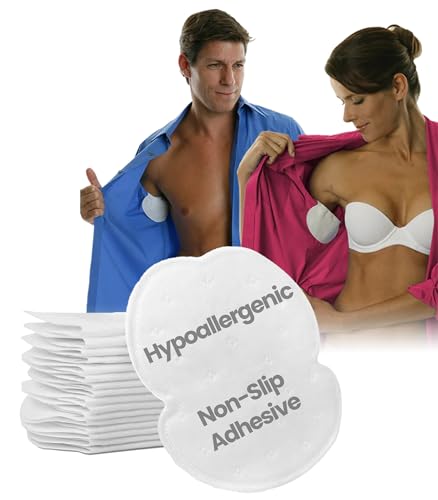
- Back sweat shields
- Breathable, moisture-managing tops (cotton blends, mesh panels)
- Cleanser approved for skin health (gentle, fragrance-free if sensitive)
- Small portable towel or wipes for on-the-go refreshes


Before You Start
Before trying new products, test on a small skin area to assess irritation. Avoid applying antiperspirants to broken or irritated skin. If you have diabetes, recent surgery, or skin conditions, consult a healthcare professional before using strong antiperspirants. Plan a gentle routine for the first week and allow time for your body to adjust.
Time estimates for routine setup: 10–15 minutes for initial application and shirt changes; daily maintenance may take 5–10 minutes. The key caution is to follow product directions and avoid over-application, which can cause stinging or clogged pores.
Step-By-Step: How To Get Rid Of Back Sweat
- Cleanse the back area with a mild, fragrance-free cleanser to remove sweat residues and oils.
- Dry thoroughly to prepare the skin for antiperspirant; moisture left on skin can reduce effectiveness.
- Apply a clinical strength antiperspirant for back sweating according to label directions, typically at night or in the morning before activities.
- If applying at night, reapply in the morning for maximum protection during daytime activities.
- Wear a moisture-wicking undershirt for back sweat under regular clothing to help transfer moisture away from the skin.
- Use back sweat shields during workouts or hot days to protect outer garments and reduce dampness.
- Choose breathable fabrics and avoid heavy, non-airy materials in hot environments.
- Keep a small towel or wipes handy to refresh a sweaty back during long days or travel.
- Maintain daily hygiene and consider sweat-friendly laundry practices to minimize odor and buildup.
Troubleshooting
| Symptom | Likely Cause | Fix | Prevention |
|---|---|---|---|
| Back remains damp after applying antiperspirant | Insufficient drying or heavy sweating | Ensure skin is dry; reapply as directed | Apply at night if advised; consider multiple applications per day |
| Rash or irritation near application area | Reaction to product ingredients | Switch to fragrance-free or hypoallergenic variant | Do a patch test before full use |
| Clothes stain or odor persists | Clothing fibers trapping moisture | Wear moisture-wicking layers; wash clothes promptly | Rotate fabrics and use odor-control detergents |
| Back sweat shields rubbing or discomfort | Improper fit or placement | Reposition shields or try a different size | Follow manufacturer sizing guidance |
Common Mistakes
- Applying antiperspirant to damp skin or immediately after shaving
- Choosing regular shirts instead of moisture-wicking fabrics in hot weather
- Overwashing or using harsh soaps that dry the skin
- Relying solely on a single product without layering strategies
Tips For Best Results
- Apply antiperspirant at night when possible to enhance overnight pore blocking.
- Wear a moisture-wicking undershirt to keep the outer garment dry and reduce friction.
- Pair shields with breathable tops to protect clothing during workouts.
- Hydrate and maintain a steady exercise routine to regulate overall body temperature.
- Keep a small travel kit with wipes and a spare undershirt for on-the-go days.
Call A Professional
Seek medical advice if back sweating is sudden, severe, or accompanied by other symptoms such as fever, night sweats without identifiable cause, or significant weight loss. A dermatologist can assess possible skin conditions or prescribe stronger treatments if needed.
FAQ
Is clinical strength antiperspirant safe for all skin types?
Most users tolerate it well, but those with sensitive or broken skin should patch-test and consult a clinician if irritation occurs.
Will moisture-wicking undershirts completely stop back sweat?
They help manage moisture and reduce visible dampness, but may not eliminate sweating entirely for everyone.
How often should I replace back sweat shields?
Replace as needed when you notice wear, odor buildup, or reduced adhesion to the skin.
Are there non-chemical ways to reduce back sweat?
Yes, including wearing breathable fabrics, maintaining good hygiene, and staying hydrated to regulate body temperature.
Can lifestyle changes help with excessive sweating?
Regular exercise, healthy weight management, and managing stress can contribute to reduced sweating in some individuals.
When should I see a doctor for back sweating?
If sweating is sudden, excessive, or accompanied by fever or night sweats without clear cause, consult a clinician.
Buying Guide
When choosing products to address back sweat, consider size, noise, energy use, and placement in routines. This guide reviews key buying factors and helps compare options across the listed product keywords.
Size and fit: Select back sweat shields that fit the torso comfortably without restricting movement. For the moisture-wicking undershirt for back sweat, ensure a cut that suits your activity level and layer under daily clothing.
Performance factors: A clinical strength antiperspirant for back sweating should offer reliable protection while minimizing skin irritation. Look for aluminum-based formulas with dermatologist guidance if possible, and check for fragrance-free options if sensitivity exists.
Breathability and fabric: Favor breathable materials with moisture-wicking properties to reduce back dampness and skin friction. Pair these with shields designed to stay in place during workouts.
Maintenance: Consider how easy it is to launder undershirts and shields, including whether shields are washable or reusable. Simple cleaning routines help maintain effectiveness and hygiene.
Placement and layering: Use a layered approach—antiperspirant on clean skin, undershirt underneath, and shields where dampness is most noticeable. This combination often yields the best balance between dryness and comfort.
Budget and value: Prioritize products that address multiple needs (sweat control, moisture management, and garment protection) to maximize value. Check for bundles or starter kits that fit your routine.
Lifestyle compatibility: For active days, select items designed to stay in place during exercise and heat exposure. If you have sensitive skin, prioritize gentle formulations and hypoallergenic materials.
Leave a Reply