How to Clean Eggshell Paint Walls Safely and Effectively
Eggshell finishes offer a subtle, velvety look that can show fingerprints, smudges, and dust more than other sheens. Proper cleaning preserves the finish without dulling the paint or causing damage. This guide walks American homeowners through a practical, non-abrasive cleaning approach suitable for washable eggshell painted walls.
With the right approach, routine cleaning becomes quick and safe, keeping interior walls looking fresh while avoiding streaks or wear. The following steps reference common household tools and gentle cleaners designed for eggshell paint walls.
Quick Answer
Gently dust walls. Use a microfiber cleaning cloth for painted walls eggshell finish to lift dirt. For smudges, use a non-abrasive sponge with a mild wall-friendly cleaner. Avoid harsh scrubbing and always test a small area first.
What You’ll Need
- Microfiber cleaning cloth for painted walls eggshell finish
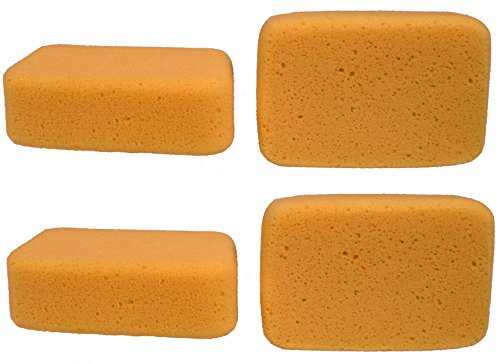
- Non-abrasive sponge for cleaning eggshell paint walls
- Gentle wall cleaner spray for washable eggshell paint walls
- Bucket of warm water (for rinsing sponges)
- Dry, soft towel or microfiber cloth for drying
- Optional: mild dish soap (for stubborn spots)


Before You Start
Prepare a small, inconspicuous area to test cleaning products. Never apply harsh solvents or abrasive pads to eggshell paint, as they can dull the finish or remove the paint. Work in a well-ventilated space and avoid over-wetting the wall. Allow surfaces to dry completely between passes. Estimate 15–30 minutes for a standard room, depending on wall size and drying conditions.
Step-By-Step: How To Clean Eggshell Paint Walls
- Dust the walls with a dry microfiber cloth to remove loose dirt and cobwebs.
- Mix a small amount of water with a gentle wall cleaner spray for washable eggshell paint walls in a spray bottle if deeper cleaning is needed.
- Lightly mist the cleaning solution onto a non-abrasive sponge for cleaning eggshell paint walls or directly onto a cloth, not the wall surface.
- Wipe in a gentle, circular motion from top to bottom, paying attention to high-traffic areas and smudges.
- For stubborn spots, apply a little more solution and let it sit for a moment before wiping again.
- Rinse the area with a lightly damp cloth to remove any soap residue.
- Dry the section with a clean, soft towel or microfiber cloth to prevent watermarks.
- Check for streaks; if present, wipe with a dry cloth and buff lightly.
- Repeat in manageable sections to avoid over-wetting seams or trim.
- Return to any areas that may need a second pass after the walls have dried.
- For regular maintenance, perform a quick dusting weekly and spot-clean as needed.
- Store cleaning supplies out of reach of children and pets when not in use.
Troubleshooting
| Symptom | Likely Cause | Fix | Prevention |
|---|---|---|---|
| Streaks after cleaning | Soap residue or improper drying | Wipe with a damp cloth to remove residue, then dry thoroughly | Rinse surfaces after cleaning and dry promptly |
Common Mistakes
- Using abrasive sponges or pads on eggshell paint
- Using strong solvents or highly concentrated cleaners
- Over-wetting walls, which can cause paint damage or peeling
- Not testing cleaners on a hidden area first
Sticking to gentle products and avoiding excessive moisture helps maintain the finish’s integrity over time.
Tips For Best Results
- Dust regularly to minimize the need for wet cleaning.
- Work in sections to control moisture and ensure even drying.
- Use a dedicated, soft cloth for walls to prevent cross-contamination from other surfaces.
- For frequent fingerprints in kitchens or hallways, spot-clean promptly to avoid buildup.
- If you must use a soap-based cleaner, opt for a mild formulation and rinse well.
Call A Professional
Call a professional if you notice peeling, bubbling, or discoloration that appears after cleaning. Immediate expert assessment is recommended if dampness, cracking, or mold is observed, as these may indicate underlying moisture or structural issues.
FAQ
Can I use magic erasers on eggshell paint walls?
Magic erasers can be effective but may be too abrasive for eggshell finishes; test on a small area first and use with light pressure.
What’s the safest cleaner for eggshell walls?
A mild dish soap solution or dedicated gentle wall cleaner spray for washable eggshell paint walls is typically safest.
How often should I clean eggshell walls?
Light dusting weekly and spot-cleaning as needed is usually sufficient; deep cleaning every few months preserves the finish.
Is it okay to scrub stains on eggshell paint?
No—scrubbing can dull the finish. Use a soft cloth or sponge with gentle pressure and a small amount of cleaner.
Will cleaning damage trim or baseboards?
Use separate cloths for walls and trim to prevent transfer of dirt or cleaners that could affect paint or finish on trim.
Should I vent the room while cleaning?
Yes, keep windows or doors open to improve airflow and reduce humidity during cleaning.
Buying Guide
When selecting tools and cleaners for eggshell paint walls, consider size of room, flexibility of cleaning tools, and how often you clean. The following factors help tailor a kit to typical American homes.
Size and Coverage
Choose a microfiber cloth with generous surface area and a non-abrasive sponge that fits your hand comfortably. For large rooms, a spray bottle with a mild cleaner reduces dye transfer and speeds up tasks.
Noise Level
Manual cleaning is quiet; avoid noisy, aggressive pads. Most household options operate with negligible sound, which is ideal for bedrooms and living spaces.
Energy Efficiency and Green Options
Opt for water-based, low-odor cleaners and reusable microfiber cloths to reduce waste and environmental impact. Look for products labeled as gentle or non-abrasive and free from harsh solvents.
Controls and Handling
Choose simple spray bottles or spray-and-wipe kits that minimize drips and make even application easy. A soft, non-abrasive sponge provides controlled contact on walls.
Placement and Storage
Keep cleaners in a cool, dry space away from sunlight. Store cloths separate from sponges to avoid cross-contamination and ensure quick access during routine cleaning.
Leave a Reply