How to Get Rid of Dandruff for Curly Hair
Dandruff can be tougher to manage on curly hair due to its texture and buildup. Proper washing routines, scalp care, and the right tools can help reduce flakes while keeping curls defined and healthy. This guide walks through practical steps, recommended tools, and common fixes tailored for curly-haired individuals dealing with dandruff.
Quick Answer
Use a gentle anti-dandruff shampoo designed for curly hair, exfoliate the scalp with a silicone scalp massager or scalp exfoliating brush, and maintain a consistent routine. Focus on thorough rinsing to prevent product buildup, and hydrate curls to reduce irritation that can worsen flaking.
What You’ll Need
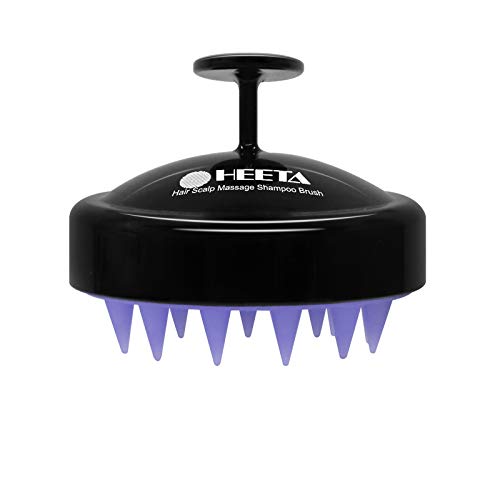
- Silicone scalp massager for shampooing curly hair dandruff
- Scalp exfoliating brush silicone for dandruff curly hair
- Anti-dandruff scalp scrub brush for curly hair

Before You Start
Prepare a mild, anti-dandruff or clarifying wash that suits curly hair. Patch-test new products if you have a sensitive scalp. Time estimates vary by routine, but plan 20–40 minutes per wash day. Important cautions: avoid harsh scrubs that may irritate the scalp, and do not over-scrub, which can trigger more flaking or dryness.
Step-By-Step: How To Get Rid Of Dandruff For Curly Hair
- Choose the right shampoo: select a gentle anti-dandruff shampoo formulated for curly texture, such as those containing zinc pyrithione, ketoconazole, or salicylic acid, depending on your scalp needs.
- Prep the scalp: lightly dampen hair and apply a small amount of shampoo directly to the scalp, avoiding heavy product on the ends to prevent tangling.
- Massage with a silicone scalp massager for shampooing curly hair dandruff: use circular motions to lift flakes and distribute cleansing agents across the scalp, without overstimulating hair follicles.
- Rinse thoroughly: ensure all shampoo residue is washed out to prevent buildup that can worsen dandruff.
- Exfoliate the scalp (if tolerable): use a scalp exfoliating brush silicone for dandruff curly hair to help remove dead skin cells. Be gentle and avoid aggressive scrubbing on very sensitive areas.
- Repeat wash if needed: if flakes persist, a second gentle shampoo wash can help remove buildup and refresh the scalp.
- Follow with a lightweight conditioner: apply to mid-lengths and ends only; avoid scalp buildup that can weigh curls down.
- Rinse and finish: rinse completely, then squeeze excess water with a microfiber towel to protect curl patterns.
- Daily care: if scalp remains itchy or flaky, consider using a medicated or targeted conditioner between washes, and continue the use of a scalp scrub brush for periodic maintenance.
- Hydration and sealing: apply a leave-in conditioner or light oil to the ends to reduce dryness that can aggravate dandruff-related itchiness.
- Maintenance schedule: aim for 1–3 washes per week depending on scalp sensitivity and curl type; adjust frequency to minimize dryness or buildup.
Troubleshooting
| Symptom | Likely Cause | Fix | Prevention |
|---|---|---|---|
| Persistent flakes after washing | Buildup from products or insufficient rinsing | Rinse thoroughly; consider a clarifying wash every 2–4 weeks | Use lighter formulas and rinse well |
| Itchy scalp with no visible flaking | Dry scalp or irritation | Increase hydration, use a gentle moisturizer or scalp oil | Avoid harsh scrubs daily |
| Frizziness and dull curls | Over-washing or heavy products | Switch to lighter products and reduce washing frequency | Follow with a hydrating leave-in |
| Redness or burning sensation | Allergic reaction or sensitivity | Discontinue product and consult a dermatologist | Patch-test new products before full use |
Common Mistakes
- Over-scrubbing the scalp, which can irritate and worsen flakes.
- Using heavy, greasy products that clog pores and promote buildup.
- Skipping thorough rinsing, leaving residue that aggravates dandruff.
- Ignoring hydration; dry curls can contribute to scalp irritation.
Tips For Best Results
- Incorporate a scalp massage with a silicone scalp massager to improve circulation and help cleanse without harsh friction.
- Reserve scalp exfoliation for every 1–2 weeks unless advised otherwise by a dermatologist.
- Alternate anti-dandruff ingredients if one type stops working after several weeks.
- Use a microfiber towel or cotton T-shirt to dry curls gently and reduce frizz.
- Keep the scalp cool during cleansing to minimize itchiness and inflammation.
Call A Professional
Consult a dermatologist if dandruff persists after 6–8 weeks of consistent care, if there is severe irritation, redness, or suspected infection, or if scalp changes accompany hair loss. Seek professional guidance promptly if flakes are accompanied by intense itching, bleeding, or sores.
FAQ
What is the best shampoo for curly hair with dandruff?
Look for a gentle anti-dandruff formula suited for curly hair, with ingredients like zinc pyrithione, ketoconazole, or coal tar, and avoid harsh sulfates that strip moisture.
How often should I exfoliate my scalp?
Exfoliation is typically best 1–2 times per month for most curl types, or as recommended by a dermatologist if your scalp is sensitive.
Can scalp brushes help with dandruff?
Yes. Silicone scalp brushes can improve cleansing and scalp circulation, helping remove buildup when used gently with shampoo.
Are there risks using scalp scrubs on curly hair?
Overuse or aggressive scrubbing can cause irritation or breakage. Use a light touch and follow with hydration.
Buying Guide
When selecting tools to combat dandruff on curly hair, consider size, material, and how they interact with your scalp texture.
- <bSize and grip matters: A palm-sized massager fits a comfortable grip for precise cleansing without overloading the scalp.
- <bMaterial: Silicone brushes are gentle, durable, and easy to sanitize; avoid hard plastic that can irritate sensitive scalps.
- <bNoise and comfort: Some massagers are quieter and smoother, which helps during extended washing sessions.
- <bCompatibility with products: Ensure the tool works with anti-dandruff shampoos and lightweight conditioners designed for curls.
- <bPlacement and use cases: Focus massage primarily on the scalp, avoiding direct contact with the curl shafts to prevent frizz.
For many curl patterns, a combination of a silicone scalp massager for shampooing curly hair dandruff, a scalp exfoliating brush silicone for dandruff curly hair, and an anti-dandruff scalp scrub brush for curly hair provides comprehensive cleansing and exfoliation. Consider starting with one tool and adding others based on scalp response and comfort. If you have a sensitive or reactive scalp, introduce tools gradually and monitor how your skin responds.
Leave a Reply