How to Clean Powder Coated Aluminum Surfaces Safely
Powder coated aluminum offers durability and a sleek finish, but keeping it looking pristine requires the right approach. This guide explains a practical, step-by-step method using everyday cleaning tools and a dedicated powder coat aluminum cleaner spray to prevent damage and maintain the finish.
Readers will find a concise Quick Answer, a complete list of tools, safety notes, and a troubleshooting table to address common issues. The article uses practical, US-market recommendations and avoids harsh solvents that can dull or strip the coating.
Quick Answer
For routine cleaning, rinse with water, apply a mild cleaner spray designed for powder coatings, scrub gently with a non-scratch pad, rinse thoroughly, and dry with a microfiber cloth. For stubborn grime, repeat with a soft touch and avoid abrasive tools. Regular maintenance reduces buildup and preserves the finish.
What You’ll Need
The following tools and supplies are recommended for cleaning powder coated aluminum surfaces. The list prioritizes items that align with common powder coating care needs.
- Microfiber cleaning cloth for powder coated aluminum
- Non-scratch scrub pad for powder coated metal cleaning 3×5 inch
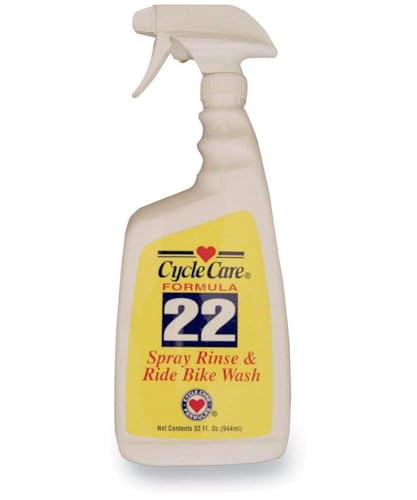
- Powder coat aluminum cleaner spray 32 oz


Before You Start
Before beginning, prepare a shaded work area to avoid rapid drying. Test a small, inconspicuous area first to ensure no color change or gloss reduction. Rinse surfaces with clean water to remove loose dirt and debris. Wear gloves if you have sensitive skin and avoid using metal brushes or abrasive chemicals that can scratch or dull the coating.
Time estimate: 15–30 minutes for a typical cleanup of exterior panels; longer for heavily soiled items. If weather or surface conditions are extreme, postpone until conditions improve.
Step-By-Step: How To Clean Powder Coated Aluminum
- Rinse the surface with a gentle stream of water to remove loose dust and grit.
- Lightly spray the powder coat aluminum cleaner spray on the area, covering evenly.
- Wait 1–2 minutes to let the cleaner begin breaking down dirt, but do not let it dry.
- Gently scrub with the non-scratch scrub pad in a back-and-forth motion, applying minimal pressure.
- Rinse thoroughly with clean water, ensuring all cleaner residue is removed.
- Dry the surface with a microfiber cleaning cloth to prevent water spots.
- For stubborn marks, repeat the spray and gentle scrub process, avoiding harsh tools.
- Inspect for missed spots and repeat as necessary, then buff with a clean microfiber cloth for a uniform finish.
Troubleshooting
| Symptom | Likely Cause | Fix | Prevention |
|---|---|---|---|
| Cloudy residue after cleaning | Poor rinsing or residue from cleaner | Rinse again thoroughly and dry completely | Rinse immediately after cleaning; use minimal cleaner |
| Streaks on aluminum | Drying before complete evaporation | Dry with a soft microfiber cloth in a single direction | Wipe while surface is still slightly damp |
| Scratches visible after cleaning | Rinse or scrub pad too aggressively | Switch to lighter pressure and a softer pad | Use non-scratch pads and avoid metal tools |
| Discoloration after cleaning | Harsh cleaners or sun exposure | Use a milder cleaner and test on a hidden area | Apply cleaner only as directed |
Common Mistakes
- Using abrasive pads or steel wool on powder coated surfaces
- Letting cleaners dry on the coating before rinsing
- Using household solvents not labeled for powder coatings
- Cleaning in direct sunlight or on hot surfaces
Avoid these pitfalls to protect the finish over time and keep maintenance simple and effective.
Tips For Best Results
- Always rinse with clean water before applying cleaner to reduce scratch risk.
- Apply cleaner to a small area first to ensure compatibility with the powder coating.
- Use a dedicated microfiber cloth and a non-scratch pad to maintain a uniform look.
- Schedule periodic cleanings to prevent buildup of grime and oxidation patterns.
- After cleaning, consider applying a light, compatible protective wipe if recommended by the cleaner’s label.
Call A Professional
Seek professional help if the powder coated aluminum shows deep gouges, peeled areas, or persistent staining that does not respond to gentle cleaning. Consult a restoration specialist for areas with extensive damage or where warranty coverage may be impacted.
FAQ
Can I use everyday household cleaners on powder coated aluminum?
Only if the cleaner is labeled safe for powder coatings and non-abrasive. Always test on a hidden area first.
Is it safe to use hot water to clean powder coated aluminum?
Hot water is acceptable in moderation, but avoid extreme heat that can affect the coating over time.
How often should I clean powder coated aluminum surfaces?
Clean regularly to prevent buildup; frequency depends on exposure and environment.
Will cleaning damage the powder coating?
Using proper tools, gentle technique, and the right cleaner minimizes risk; aggressive scrubbing can cause damage.
Buying Guide
When choosing cleaning supplies for powder coated aluminum, consider factors like the size of the area to clean, noise of tools (if powered), energy efficiency of spray tools, and ease of control. Look for products specifically labeled for powder coatings to ensure safe results. Compare cleaning sprays by their residue reduction, ease of rinsing, and how well they protect the coating during routine maintenance. For outdoor installations, check that cleaners are weather-resistant and non-corrosive. Placement considerations include accessibility and the need for ventilation when using spray products. By evaluating these factors, you can select a cleaning kit that offers reliable results while preserving the appearance and durability of powder coated aluminum surfaces. Are you ready to build a simple, effective cleaning routine that fits your space and schedule?
Leave a Reply