How to Keep Chicken Water Clean and Fresh
Healthy flocks start with clean, accessible water. Dirty or stagnant water can lead to illness, reduced egg production, and dehydration. This guide walks American farmers and backyard keepers through practical, safe steps to maintain clean drinking water for chickens using common household setups and practical poultry equipment.
Quick Answer
Best quick approach: use a gravity fed poultry waterer or nipple drinker to reduce splash and contamination, pair with a poultry drinking water filter, and add a UV sterilizer for poultry drinking water for extra sanitization. Clean and refill regularly, and protect the water line from sun and debris.
What You’ll Need
- Automatic poultry waterer gravity fed nipple drinker
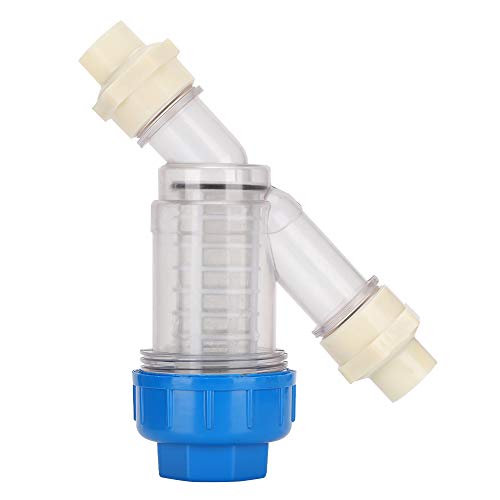
- Poultry drinking water filter for chickens
- UV sterilizer for poultry drinking water
- Containers or tubs for fresh water storage
- Food-grade tubing and fittings
- Cleaning brushes and mild, poultry-safe sanitizer


Before You Start
Plan a location that protects water from direct sunlight and weather while allowing easy access for daily maintenance. Ensure all vessels and fittings are food-grade and free of cracks. Label water lines to avoid cross-contamination with cleaning supplies. Allow 1–2 hours for initial setup and testing, plus ongoing daily maintenance. Remember to sanitize equipment before first use and after any spill or spillover.
Step-By-Step: How To Keep Chicken Water Clean
- Choose a gravity fed nipple drinker configuration to minimize splash and waste. Install at a height convenient for your flock’s head level.
- Install the poultry drinking water filter for chickens inline to remove sediment, chlorine, and other impurities from municipal or well water.
- Position the UV sterilizer for poultry drinking water after the filter to inactivate bacteria and extend water freshness without chemical additives.
- Fill the reservoir with fresh water and prime the system, ensuring there are no air pockets that could disrupt flow.
- Check connections for leaks and tighten fittings as needed. Use thread sealant rated for potable water if required.
- Set a daily cleaning routine: wipe surfaces, rinse out the reservoir weekly, and replace cartridges or filters per the manufacturer’s schedule.
- Establish a refill schedule that keeps water clean and cold. In hot weather, increase the frequency of checks and cleaning.
- Inspect nipples and drains for blockages. Clear any mineral buildup with a gentle brush and appropriate cleaner, never harsh chemicals.
- Monitor your flock’s water intake and look for changes in consumption that might indicate contamination or illness.
- Keep the system free of droppings and bedding dust by cleaning the area around the water station regularly.
- Seasonally check UV exposure instructions and replace the UV lamp as recommended to maintain sterilization efficacy.
- Document maintenance tasks in a simple log and adjust the routine as your flock size or weather changes.
Troubleshooting
| Symptom | Likely Cause | Fix | Prevention |
|---|---|---|---|
| Water looks cloudy | Residual sediment or filter not installed | Check filter housing, replace cartridge | Pre-filter attention, regular filter changes |
| Nipple drinkers not leaking | Blockage in line | Clean line, flush with fresh water | Keep area clean, avoid feeding dust near setup |
| Water flow is weak | Air pocket or valve partially closed | Prime system, open valve fully | Inspect during setup and after cleaning |
| Water temperature rises quickly | Direct sun exposure | Relocate to shade or use insulated housing | Shield from sun, vented housing |
| Filtration cartridge fouls fast | High sediment load | Increase pre-filter use, adjust water source | Source water filtration before entering system |
Common Mistakes
- Using non-potable cleaners or bleach directly in the line
- Neglecting regular filter changes and UV lamp upkeep
- Installing equipment too high or too low for the flock’s reach
- Allowing sunlight to heat water, accelerating bacterial growth
- Ignoring small leaks that escalate into bigger faults
Tips For Best Results
- Keep water cool and out of direct sun to slow bacterial growth.
- Match the system to flock size; larger flocks benefit from larger reservoirs and multiple nipples.
- Label maintenance tasks and create a routine that fits your schedule, not the other way around.
- Regularly inspect for wear and replace worn seals or tubing before leaks occur.
- Sanitize equipment between batches of birds or after disease concerns, using poultry-safe cleaners.
Call A Professional
Consult a poultry veterinarian or experienced poultry equipment installer if you notice persistent water contamination, recurrent illness in the flock, or persistent equipment leaks that you cannot safely resolve. Seek professional help immediately if there are signs of severe illness, such as sudden drop in egg production, lethargy, or reduced water intake combined with crusting or foul odors.
FAQ
How often should I clean chicken water containers?
Clean and rinse weekly, and sanitize monthly or after any disease event to maintain water quality.
Can I use tap water with a filter and UV sterilizer?
Yes, but verify local water quality and ensure the filter removes chlorine and sediments before the UV stage.
Are nipples better than cups for keeping water clean?
Yes, nipple drinkers minimize splash and contamination, which helps keep water cleaner between refills.
What maintenance does a UV sterilizer require?
Replace the bulb per manufacturer guidance and keep the sleeve clean to maintain light output.
Is it necessary to filter water if I use UV sterilization?
UV sterilization targets microbes; a filter removes sediments and chemicals that can reduce UV effectiveness and clog the system.
What if the water line freezes in winter?
Use insulated housing and keep a minimal, steady flow to prevent freezing; drain lines when temperatures drop severely.
Buying Guide
When choosing equipment to keep chicken water clean, consider several factors to fit your setup and flock needs. Size matters: larger gravity fed systems reduce daily refill frequency for bigger flocks, while smaller designs suit backyard runs. Noise levels are typically low, but ensure any pumps or filters operate quietly to minimize stress for birds and neighbors. Energy efficiency reduces ongoing costs, especially in heated spaces or greenhouses. Controls should be simple: clear on/off, easy cleaning, and accessible filters. Placement matters: avoid direct sun, drafts, and dust, and give birds easy access without crowding. Compare setups by how well they integrate a gravity fed nipple drinker, a poultry drinking water filter for chickens, and a UV sterilizer for poultry drinking water, then choose a cohesive system that matches your climate, water source, and cleaning routine. A practical approach is to start with a basic combo kit and expand as your flock grows, ensuring you maintain consistent sanitation without adding excessive maintenance time. Do you need automatic refilling, or is manual top-up sufficient for your space? Consider future upgrades to keep water clean as your operation evolves.
Leave a Reply