How to Start Eating Clean for Beginners
Eating clean is a practical way to improve nutrition, feel more energized, and support overall health. This guide walks beginners through simple, actionable steps to begin a clean eating routine, with tools and tips tailored for American kitchens.
By focusing on minimally processed foods, balanced portions, and mindful preparation, beginners can establish sustainable habits. The approach emphasizes fresh produce, lean proteins, whole grains, and healthy fats while minimizing added sugars, refined carbohydrates, and artificial ingredients.
Quick Answer
Start with a simple plan: fill half your plate with vegetables, a quarter with lean proteins, and a quarter with whole grains. Use fresh or minimally processed foods, hydrate well, and prepare meals in advance to avoid junk-food temptations.
Key tools simplify clean eating and help with portion control, meal prep, and variety. A digital kitchen scale, BPA-free glass meal prep containers, and a vegetable spiralizer are practical staples for beginners.
What You’ll Need
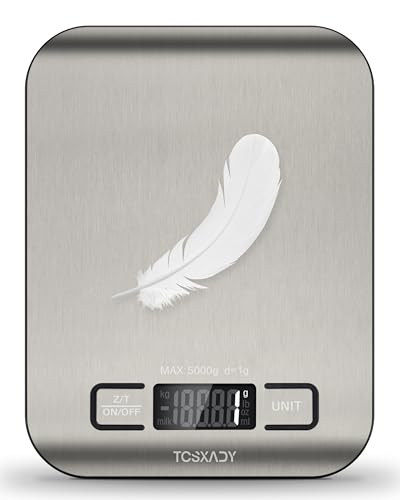
- Digital kitchen scale tare function stainless steel 11lb capacity
- BPA-free glass meal prep containers 3 compartments 1.5 cup each
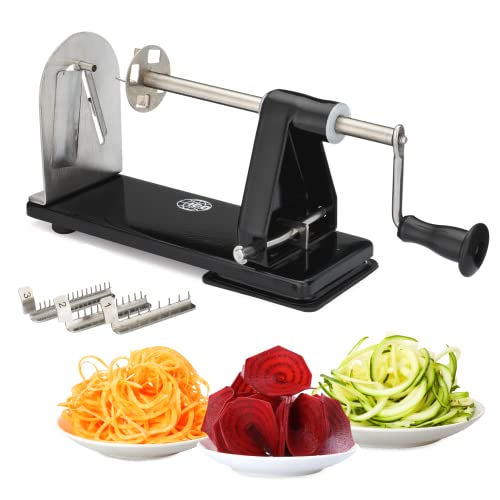
- Vegetable spiralizer stainless steel blades adjustable thickness

Before You Start
Before diving into a clean eating plan, set realistic goals and establish a basic routine. Determine how many meals you’ll prepare at home each week, and identify convenient options for busy days. Safety notes include proper knife handling, safe refrigeration, and washing produce thoroughly. Time estimates vary by plan, but budgeting 30–60 minutes for weekly meal prep typically covers prep and portioning for several days.
Consider your kitchen setup: clear workspace, sharp knives, a reliable cutting board, and storage containers. If you have food allergies or chronic health concerns, consult a healthcare professional or a registered dietitian before major dietary changes.
Step-By-Step: How To Start Eating Clean For Beginners
- Define your clean eating goals and a simple meal template (protein + vegetables + whole grains) to guide grocery shopping.
- Audit your current pantry and remove obvious processed or sugary items, replacing them with whole-food alternatives.
- Set up a meal prep routine: wash and chop produce in advance, portion proteins, and portion grains using the digital kitchen scale for accuracy.
- Plan a weekly menu with diverse colors and textures to ensure a broad range of nutrients and flavors.
- Batch-cook staples (roasted vegetables, grilled chicken, legumes) and store them in BPA-free glass meal prep containers with clear portion markers.
- Incorporate a variety of vegetables using a vegetable spiralizer to add creative textures and reduce reliance on starch-based sides.
- Shop the perimeter of the grocery store for fresh produce, lean proteins, and dairy or fortified alternatives, while minimizing aisles with processed foods.
- Practice mindful portions: weigh or measure servings with the digital scale to build awareness and avoid overeating.
Troubleshooting
| Symptom | Likely Cause | Fix | Prevention |
|---|---|---|---|
| Craving snack foods after meals | Insufficient fiber or protein | Increase portions of vegetables and lean protein | Include fiber-rich choices at every meal |
| Feeling hungry between meals | Too-small portions | Add a healthy snack with protein or healthy fat | Plan balanced snacks in advance |
| Produce spoiling quickly | Improper storage | Store produce properly; portion into containers | Plan meals to use items soon after purchase |
| Meal prep feels overwhelming | Large batch tasks | Break tasks into small steps; prep one component per day | Use simple, repeatable recipes |
Common Mistakes
- Overcomplicating meals with many ingredients; keep it simple and reusable.
- Forgetting to prep produce, leading to last-minute unhealthy choices.
- Relying on low-fat or “diet” labels that still contain additives or high sugar.
- Underestimating portions; use the scale to maintain consistency.
Sticking to whole foods and consistent portions helps avoid common pitfalls like frequent dining out or grabbing highly processed options when pressed for time.
Tips For Best Results
- Keep a color-rich plate: aim for a variety of vegetables to cover micronutrient needs.
- Use the spiralizer to create zucchini noodles or carrot ribbons as low-carb alternatives to pasta.
- Batch-cook proteins and grains at the start of the week to simplify daily meals.
- Label containers with dates to monitor freshness and reduce waste.
- Hydration matters—water or unsweetened beverages support appetite regulation and energy.
Call A Professional
Consider contacting a registered dietitian or nutritionist if you have specific health conditions, significant weight-management goals, or concerns about nutrient balance. Seek professional guidance before making large changes if you are pregnant, nursing, or managing chronic illnesses.
FAQ
How quickly can I start seeing results from clean eating?
Results vary by individual, but many people notice improved energy and digestion within a few weeks with consistent meals and portion control.
Do I need to completely eliminate refined foods?
Not necessarily. The goal is to reduce highly processed items and added sugars, while gradually increasing whole-food choices.
How can I stay on track during holidays or social events?
Plan ahead, choose balanced options when possible, and allow small treats in moderation to maintain long-term habits.
Is a meal-prep container essential for beginners?
While not essential, BPA-free glass meal prep containers help with organization, portion control, and reducing waste.
What if I don’t have a spiralizer?
Use a knife to julienne vegetables or substitute with sliced zucchini or cucumber for texture variety.
Can I use frozen vegetables in clean eating?
Yes—frozen vegetables preserve nutrients and can be a convenient, budget-friendly option.
Buying Guide
Choosing the right equipment and setup supports a successful clean eating journey. Consider these factors when shopping:
- Size and capacity: For the scale, ensure it fits your countertop space and has enough capacity to weigh typical portions. A compact 11 lb capacity is common for home use.
- Container material: BPA-free glass containers are durable, easy to clean, and non-porous, helping preserve flavor and reduce staining. Look for three-compartment designs for portion control.
- Food prep tools: A vegetable spiralizer offers creative textures and makes vegetables the star of meals. Stainless steel blades ensure longevity and safety.
- Ease of cleaning: Choose dishwasher-safe components and containers with tight-sealing lids to prevent leaks and odors.
- Storage and organization: Stackable sets that fit your fridge and pantry reduce clutter and simplify planning.
- Budget and compatibility: Prioritize versatile items that serve multiple recipes and days. Consider how often you’ll use each tool to justify the investment.
- Placement and noise: Place devices on stable surfaces away from heat. Choose quiet appliances if you have a small kitchen or open-plan living areas.
For best results, match tools to your cooking style. A scale helps with portioning, glass containers support freshness, and a spiralizer adds variety without heavy cooking time. If you prefer simple routines, start with a small set and expand as you gain confidence.
Leave a Reply