How to Get Rid of Moisture in a Car
Moisture inside a vehicle can lead to foggy windows, musty smells, and mold growth if not addressed promptly. This guide provides practical, step-by-step methods to reduce humidity, protect upholstery, and keep your car dry using common desiccants and portable options.
By following the steps below, drivers can improve air quality and comfort while preventing moisture-related damage. The solutions range from quick fixes for on-the-go humidity to longer-term strategies that maintain a drier interior year-round.
Quick Answer
Start with a portable car moisture absorber and a USB-powered dehumidifier for immediate relief, then deploy silica gel desiccants to maintain low humidity. Ventilate the vehicle, address leaks, and use preventative measures to minimize recurring moisture.
What You’ll Need
- car dehumidifier USB portable for quick moisture removal
- silica gel desiccant moisture absorber for car to maintain low humidity
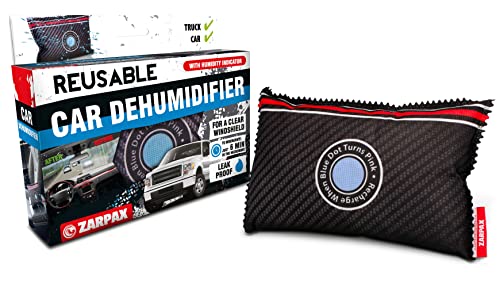
- portable car moisture absorber bag for flexible placement
- Basic cleaning supplies (microfiber cloths, mild cleaner)
- Small towel or absorbent mat for spills
- Optional vent clips or a small car fan to improve airflow

![wisedry 2 x 500 Gram [2.2 lbs] Rechargeable Silica Gel Car Dehumidifier, Microwave Fast Reactivated Desiccant Packets Large for Gun Safe Closet Basement Garage Storage Moisture Absorber Bag Reusable](https://m.media-amazon.com/images/I/51pHUtcOd3L._SL500_.jpg)
Before You Start
Before beginning, ensure the car is parked in a shaded, well-ventilated area and that the interior has cooled if the car was recently driven. Remove all sources of ongoing moisture, such as damp items or wet floor mats. Safety note: never place electronic devices in direct contact with water or damp upholstery. Start with a quick interior dry-out and then move to ongoing humidity control.
Time estimate: 20–60 minutes for an initial dry-out, plus ongoing maintenance as needed. If windows fog heavily during rain, address airflow and seals promptly to prevent chronic moisture buildup.
Step-By-Step: How To Get Rid Of Moisture In A Car
- Open doors and windows briefly to exchange humid air with drier outside air, weather permitting.
- Place a portable car moisture absorber bag on the floor or under seats where dampness tends to collect.
- Use a car dehumidifier USB portable to run a short cycle, especially on humid days or after it rains.
- Position a silica gel desiccant moisture absorber for car in the footwell and behind the front seats to maximize surface area exposure.
- Wipe down interior surfaces with a microfiber cloth to remove condensation from windows and panels.
- Check for leaks around doors, sunroofs, and HVAC seals. If you find a leak, seal it promptly to stop ongoing moisture intrusion.
- Inspect floor mats and remove any damp ones; allow mats to dry completely before reusing.
- Run the ventilation system on fresh air with the climate control set to a dry mode or lower humidity setting if available.
- Replace or recharge desiccants as needed; most silica gel packs show a color change when they are saturated.
- Keep humidity in check by placing multiple desiccants in the cabin, particularly under seats and in storage pockets.
- Maintain a routine dry-out after trips in rain or snow by reactivating absorbers and ensuring airflow.
- Regularly inspect seals, weather stripping, and sunroof drains for blockages or wear that could allow moisture ingress.
Troubleshooting
| Symptom | Likely Cause | Fix | Prevention |
|---|---|---|---|
| Persistent fog on windows | High cabin humidity or blocked ventilation | Run dehumidifier, ensure fresh-air intake, and clean the A/C evaporator | Keep absorbers in place and replace as needed |
| Musty odor | Moist upholstery or carpet | Deep-clean affected areas and use silica gel in the cabin | Dry mats and avoid leaving damp items inside |
| Condensation after rain | Exterior moisture intrusion | Inspect door seals and sunroof drains; seal leaks | Repair worn seals promptly |
| Desiccant saturated quickly | Very high humidity or frequent moisture | Increase number of absorbers and ensure proper placement | Store car in dry area when parked long-term |
Common Mistakes
- Overlooking small leaks around doors and windows
- Relying solely on passive airflow without absorbers in key spots
- Using aggressive cleaners that leave residues attracting moisture
- Ignoring wet floor mats and upholstery after spills
Tips For Best Results
For optimal moisture control, use a combination of absorbers and active dehumidification. Place absorbers in the front and rear footwells, behind seats, and in cargo areas where dampness tends to collect. Keep windows slightly ajar in safe conditions to promote airflow, and avoid blocking air vents with large items. Recharge or replace desiccants according to color indicators or manufacturer guidelines. Regularly inspect the HVAC system for mold or mildew growth and address issues promptly.
Call A Professional
If persistent moisture problems persist after DIY steps, or you notice mold growth, electrical odors, or persistent fogging despite dehumidification, consult a professional. Stop using the vehicle for long periods until moisture issues are resolved to avoid health risks and potential interior damage.
FAQ
What is the fastest way to remove moisture from a car?
Use a USB portable dehumidifier for quick drying and place silica gel absorbers in high-humidity areas to maintain low humidity.
Can I leave silica gel in my car?
Yes, in well-ventilated areas and away from children or pets; replace when color indicators show saturation.
How do I prevent moisture buildup in a parked car?
Address leaks, ventilate when possible, use absorbers, and avoid leaving damp items inside the vehicle.
Is it safe to drive with foggy windows due to humidity?
Drive cautiously and use defog settings; reduce humidity with dehumidifiers whenever possible.
How often should I replace desiccants?
Follow product indicators, typically every 1–3 months depending on usage and climate.
Should I use a car dehumidifier year-round?
Yes, especially in humid climates or during rainy seasons to maintain interior dryness.
Buying Guide
Choosing the right moisture-control tools for a car involves considering size, effectiveness, and placement. A compact car dehumidifier USB portable is convenient for daily use and can be plugged into a USB port for quick cycles. Silica gel desiccants for cars are excellent for ongoing maintenance, as they slowly absorb moisture without power. A portable car moisture absorber bag adds flexibility, letting you relocate absorbers where needed. When selecting products, consider the following factors:
- <bSize and capacity: Choose absorbers that fit your cabin size and moisture load; larger cabins may benefit from multiple units.
- <bNoise and energy: USB dehumidifiers should be quiet and energy-efficient to avoid distraction while driving.
- <bEnergy efficiency: Look for low-power operation and indicators for easy monitoring.
- <bControls: Simple on/off or auto settings help maintain consistent dryness without manual adjustments.
- <bPlacement: Plan locations for absorbers to maximize exposure to moist air (under seats, in door pockets, and near windows).
- <bDurability and materials: Weather-resistant components and durable fabric for absorber bags are beneficial for long-term use.
- <bMaintenance: Consider ease of recharging or replacing silica gel sachets and how quickly desiccants dry out.
- <bMaintenance frequency: Climate and vehicle use influence how often you refresh or replace components.
For best results, combine devices: a USB portable dehumidifier for immediate drying, silica gel desiccants for ongoing maintenance, and a portable absorber bag to cover common damp spots. Ask yourself: where does moisture tend to linger in your car, and how can you position absorbers for optimal air contact?
Leave a Reply